A home maintenance schedule for Saratoga County houses
A season-by-season and year-by-year list of the repairs that keep an upstate New York house dry, safe and sound, with links to the details for each one.
A practical home maintenance schedule for upstate NY has two layers: a short seasonal walk-around each spring and fall, and a longer list of jobs that come due every few years, like deck stain, shower caulk and exterior paint. In Saratoga County the calendar is driven by winter. Freeze-thaw cycles, snow load, road salt and ice dams do most of the damage, so the most important checks happen just before the first hard freeze and just after the snow melts.
Why upstate houses need their own schedule
Generic maintenance lists are written for mild climates. Here, water that gets into a crack in October freezes and expands dozens of times before April, opening the crack a little wider each cycle. Snow sits on roofs, decks and porch steps for weeks. Salt tracked onto steps and splashed onto foundations eats at concrete and metal. The building season is short, so a repair you notice in November often waits until May.
Our housing stock adds another layer. Saratoga Springs, Ballston Spa and the older villages have many houses built a century or more ago, with wood porches, plaster walls and stone or brick foundations. Newer subdivisions in Malta, Wilton, Clifton Park and Halfmoon have different weak points: builder-grade decks, vinyl siding that hides trim problems, and showers that are now reaching the age when grout and caulk fail.
Every spring: the after-winter walk-around
Once the snow is gone and the ground has firmed up, walk the outside of the house slowly. Look for:
- Gutters that pulled loose or sag under the weight of ice, and downspouts that dump water against the foundation.
- Shingles that lifted or slid, and stains on the ceiling or attic sheathing below a roof valley or eave, which can point to ice dam leaks.
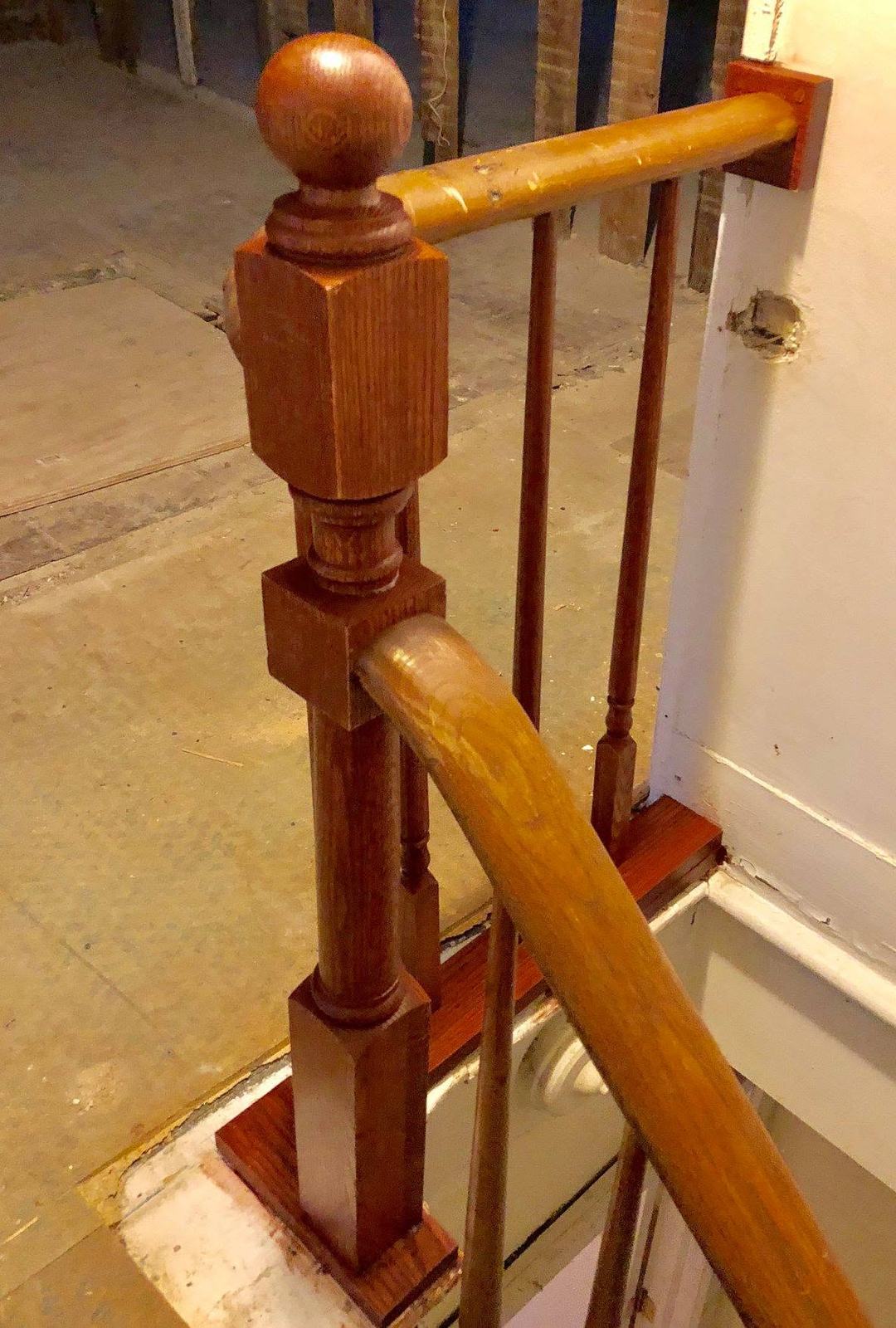
- Front and back steps that heaved, tipped or cracked, and handrails that loosened over winter.
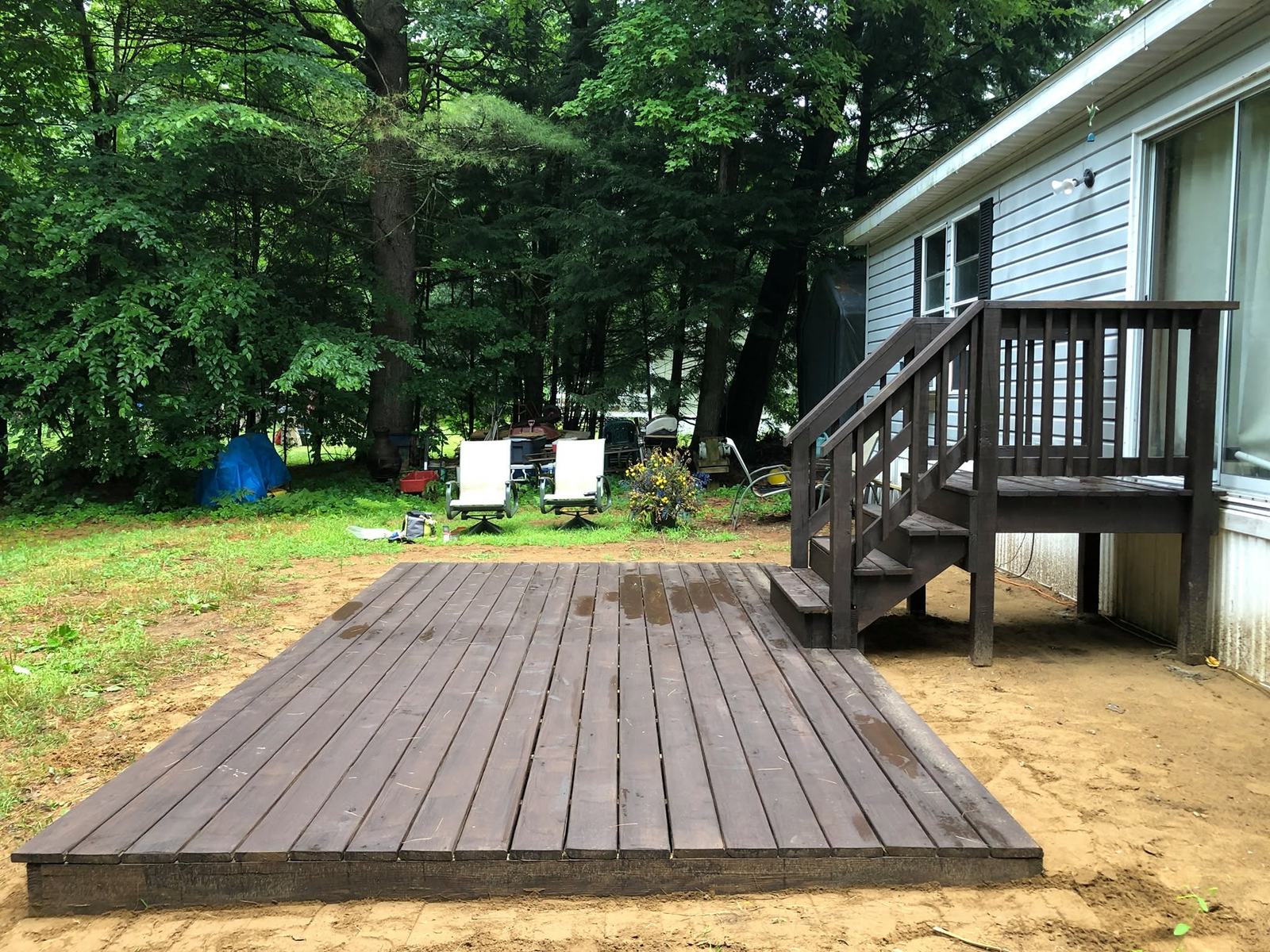
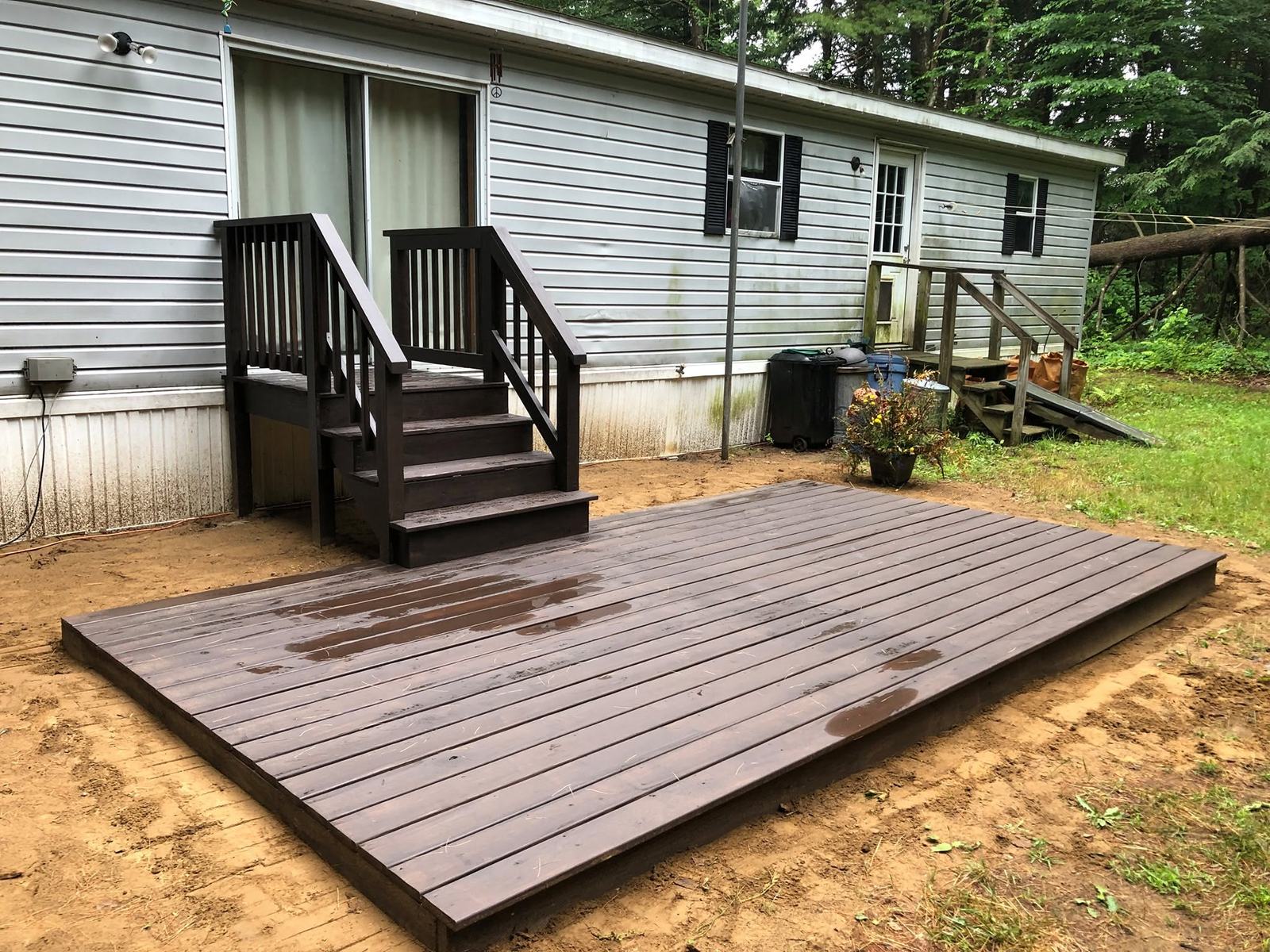
- Deck boards that cupped or split, and any gap opening between the deck and the house wall.
- Peeling paint on the south and west sides, where sun and meltwater hit trim the hardest.
- Soft spots in window sills and the bottoms of door trim.
Our spring home inspection after winter goes through each item in more detail, including how to tell frost heave from a failing footing.
Every fall: getting ready for the freeze
The fall check is about keeping water out and making sure the house is safe to walk around on ice. Clean the gutters after most of the leaves are down. Disconnect garden hoses and shut off exterior spigots if they are not frost-free. Re-caulk gaps around windows and doors where you can see daylight or feel a draft. Check that stair and porch railings are solid, since everyone will be holding them with snow on their boots. Make sure the bulkhead door closes and latches, so snowmelt does not run into the cellar.
We keep a longer version of this list in our fall home maintenance checklist.
The multi-year jobs
These are the jobs that slip, because they do not come up every year. Write down when each was last done.
| Job | Typical interval | What tells you it is due |
|---|---|---|
| Deck stain or sealer | Every 2 to 3 years | Water soaks in instead of beading; gray, dry-looking boards |
| Tub and shower caulk | Every 1 to 2 years | Mold under the bead, gaps, peeling edges |
| Grout sealer (cement grout) | About once a year in showers | Grout darkens and stays dark after a shower |
| Exterior trim paint | Every 5 to 10 years | Peeling, chalking, bare wood at joints |
| Gutter and soffit check | Every year, closer look every few years | Overflow, stains on fascia, birds or insects in soffits |
| Deck ledger and framing | Every year, a closer look every few years | Gap at the house, rust stains, soft wood near fasteners |
The intervals are ranges because exposure matters more than the calendar. A deck under a big maple stays damp longer than one in full sun. A shower used twice a day wears faster than one in a guest bath. For the details, see how often to stain a deck, how often to recaulk a tub or shower and how often to paint exterior trim.
Safety checks that should not wait
Some items are not cosmetic, and they should move to the top of the list as soon as you notice them:
- Loose or missing handrails. Stairs with four or more risers need a handrail under the New York State Residential Code. A rail that moves when you lean on it is not doing its job.
- A deck pulling away from the house. The ledger board, where the deck attaches to the house, is the most common point of serious deck failure.
- Soft or spongy floors around a tub or shower. That usually means water has been getting past the tile or the tub edge for some time.
- Electrical, gas or structural concerns. Scorched outlets, a gas smell, or a sagging beam call for a licensed professional, not a weekend project.
If your house was built before 1978, test painted surfaces for lead before sanding or scraping. Older popcorn ceilings and pipe insulation can contain asbestos and should be tested before anyone disturbs them.
Keeping a simple record
The easiest maintenance schedule is the one you actually keep. A single page taped inside a kitchen cabinet works, as does a note on your phone. For each job, write the date, what was done, and what product was used. When you sell the house, that record is useful to a buyer and their inspector. When you hire a contractor, it saves time on the first visit, because they can see at a glance what is original and what has been redone.
A record also shows patterns. If the same section of gutter overflows every year, or the same stretch of trim peels every three years instead of seven, the problem is probably drainage or ventilation, not the paint or the gutter itself. Fixing the cause is usually cheaper over time than repeating the repair.
Frequently asked questions
What is the most important home maintenance task in upstate New York?
Managing water. Clean gutters, downspouts that carry water away from the foundation, sound caulk and paint, and a roof that sheds snowmelt prevent most of the damage we see in Capital Region homes. Nearly every rot, mold and foundation problem starts with water going where it should not.
When is the best time to schedule exterior repairs in Saratoga County?
Late spring through early fall. Paint, stain and many sealants need dry weather and temperatures above a minimum set by the manufacturer, often around 50 degrees, so the practical window is shorter than the calendar suggests. Book early if the work needs to be done before winter.
How often should a house be professionally inspected?
There is no fixed rule for an occupied home. Many homeowners do their own seasonal walk-arounds and bring in a contractor or inspector when they see a change, such as a new stain, a gap or a soft spot. A closer look every few years at the deck framing, roof and chimney is a reasonable habit.
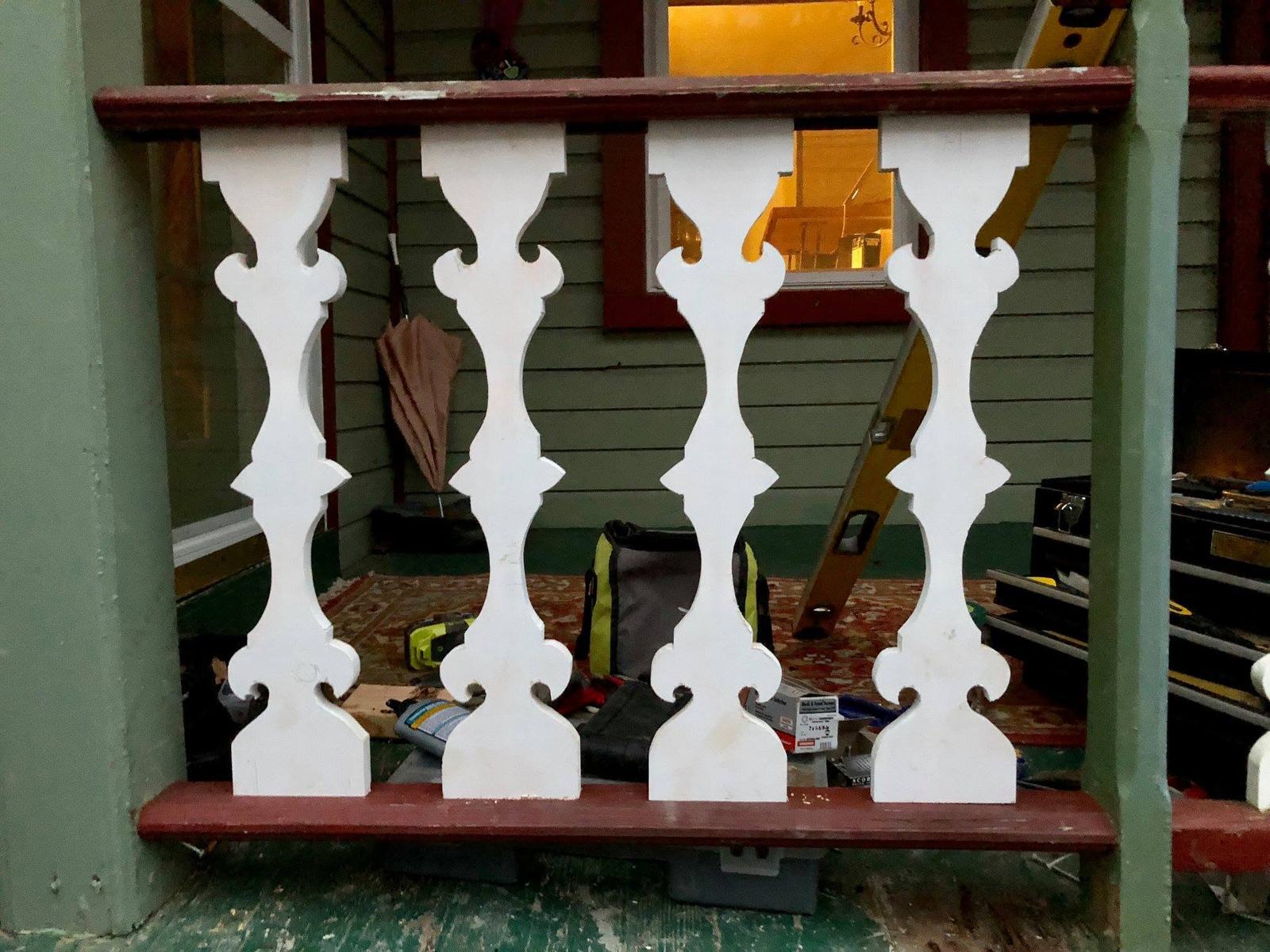
Much of the work on this list lands on decks, stairs, porches and railings, where weather does its worst. We repair and rebuild them across Saratoga County, starting with a site visit and a written scope organized by phase. You can see that work on our decks, stairs and railings page.