Custom built-ins for Saratoga County homes: what to plan
Bookcases, window seats, office walls and mudroom benches built for the room, with the design, material and wiring decisions that make them work in old and new houses.
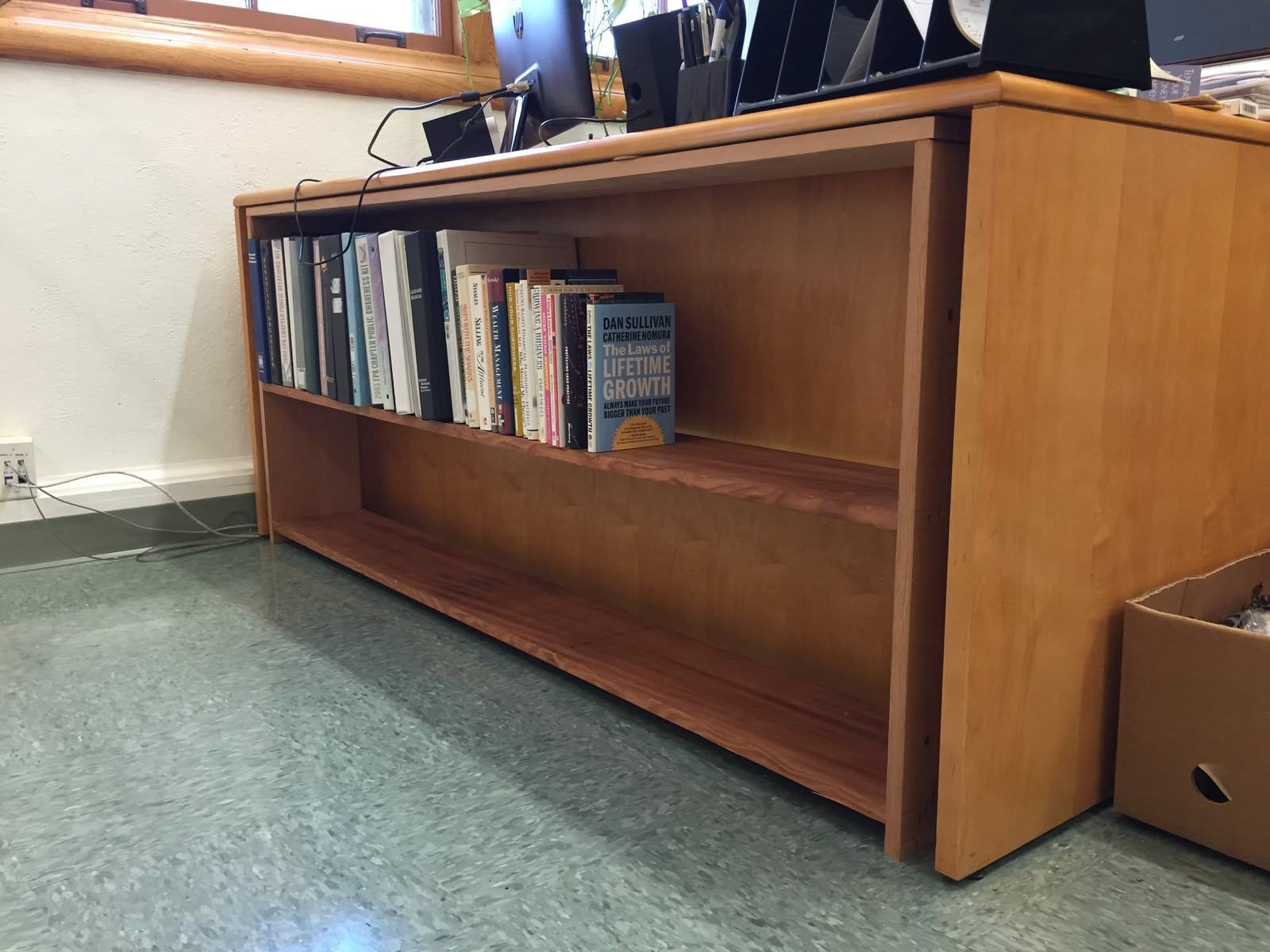
Custom built-ins are cabinets, shelves, benches and desks built into the walls of a room rather than set in front of them. In Saratoga County homes they solve problems freestanding furniture cannot, such as fitting an odd alcove, using space under a stair or window, and handling uneven floors and walls in an older house. Done well, they look like part of the original architecture and add usable storage without taking up more floor space.
Where built-ins work best
Built-ins are most useful in places where furniture either does not fit or wastes space.
- Home offices. A wall of shelves and cabinets around a desk keeps paperwork, printers and cords out of sight. We built office built-ins with glass French doors, which let the office close off for quiet without feeling boxed in.
- Living rooms and libraries. Bookcases flanking a fireplace or window are a traditional choice in older homes and suit newer houses too.
- Window seats. A bench under a window, with drawers or lift-up storage below, uses a space that otherwise goes empty.
- Mudrooms and entries. Benches, cubbies and hooks give boots, coats and bags a place to land, which matters through a long Capital Region winter.
- Under stairs. Drawers or cabinets can take advantage of the triangular space below a staircase.
- Pantries and dining rooms. Built-in hutches, shelves or a butler's pantry add storage near the kitchen.
Built-ins in older homes
Older homes in Saratoga Springs, Ballston Spa and the surrounding villages often have rooms with irregular dimensions, chimney breasts, deep window openings and walls that are no longer plumb. That makes off-the-shelf storage hard to fit and is exactly where custom work makes the most difference.
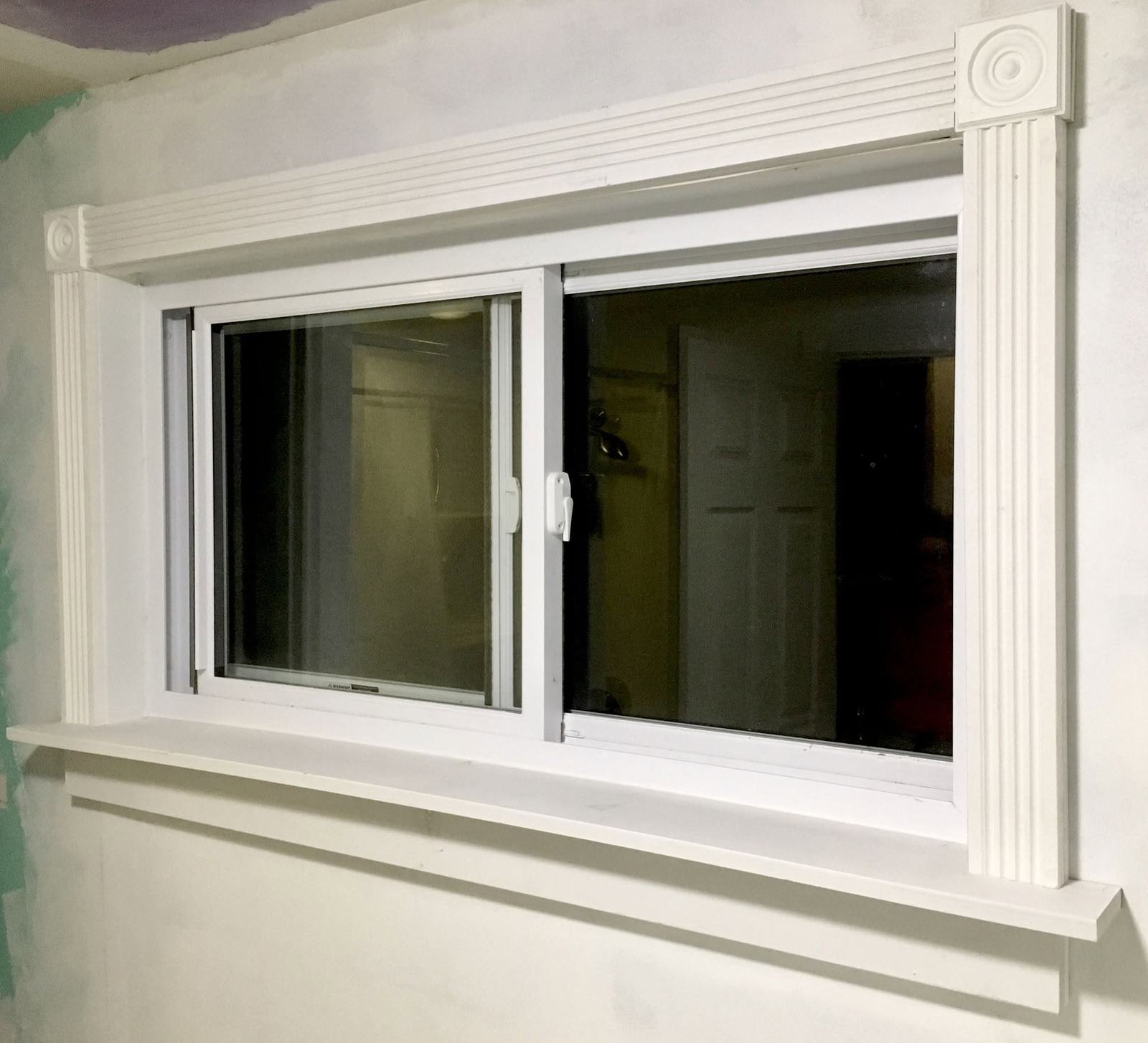
A built-in for an old house is scribed to the wall and floor, meaning its edges are cut to follow the actual surface so there are no visible gaps. Trim profiles and paneling can be designed to match the existing casings and baseboards, so the new work reads as original. Some older homes already have built-ins, such as china cabinets or bookcases, that can be restored or used as models for new pieces.
Before cutting into walls in a pre-1978 house, have the painted surfaces tested for lead, and be aware that older plaster, insulation and some other materials can contain asbestos. Our guide to restoring an old house in Saratoga Springs covers testing and planning for older homes.
Built-ins in newer homes
Newer homes in Malta, Wilton, Clifton Park and Halfmoon usually have straighter walls and more standard dimensions, but they often lack architectural detail. Built-ins can add character and storage to open-plan living rooms, bonus rooms and dens. Pairing a built-in with upgraded trim and solid doors makes a noticeable change in a builder-grade house. Our post on upgrading trim and interior doors covers that side of the work.
Planning the design
A few decisions shape every built-in project.
What will it hold?
Measure what you plan to store. Books, files, a printer, a television, board games and winter gear all need different shelf depths and heights. Deeper is not always better. Bookshelves that are too deep let books slide back and waste space.
Open shelves or doors?
Open shelves display things and make a room feel lighter. Doors and drawers hide clutter. Many built-ins combine the two, with closed cabinets below and open shelves above.
Paint or stain?
Painted built-ins suit most rooms and are easier to match to existing trim. Stained wood suits rooms with existing stained woodwork or where a warmer look is wanted. The choice affects materials, since paint-grade work can use different materials than stain-grade.
Lighting and power
Lighting inside shelves, outlets in a desk area and charging stations in a mudroom all need to be planned before the built-in is installed. Electrical work should be done by a licensed electrician, and it is far easier before cabinets go in.
Heat and air
Do not cover heat registers, radiators or return air grilles without a plan. Built-ins can be designed with grilles or openings so heat still reaches the room.
How built-ins are made and installed
Built-ins are usually built as cabinet boxes, often from cabinet-grade plywood, with solid wood face frames, doors and trim. Some parts are built in a shop and some on site, depending on the design and the room. The boxes are fastened to the wall framing and leveled, and then face frames, crown molding and base trim tie everything together and cover the joints. Shelving is typically adjustable so it can change with your needs.
The process tends to follow the same order.
- Site visit and measurements, including the condition of walls and floors.
- Design drawings showing layout, shelf spacing and trim details.
- Any electrical rough-in by a licensed electrician.
- Fabrication of cabinets, shelves and doors.
- Installation and scribing.
- Trim, filling, sanding and paint or finish.
Built-ins are cabinetry, so they share many decisions with kitchen cabinets. If you are thinking about the kitchen at the same time, our post on whether to reface or replace kitchen cabinets covers related choices. And because design and construction overlap so closely on built-ins, it helps when one team handles both, as described in our guide to design-build vs hiring an architect and contractor.
Frequently asked questions
Do built-ins add value to a home?
Well-designed built-ins add usable storage and architectural character, which many buyers appreciate. Their value depends on how well they fit the house and the room. Built-ins that match the home's style tend to be seen as an asset.
Can built-ins be installed in an older home with uneven walls?
Yes. Custom built-ins are scribed to follow the actual wall and floor surfaces, so they fit tightly even when walls are out of plumb. Trim can be matched to existing woodwork so the new pieces look original.
Should built-ins be painted or stained?
It depends on the room. Painted built-ins match most trim and are easier to blend with existing work. Stained wood suits rooms that already have stained woodwork. The choice also affects which materials are used.
We design and build custom built-ins, office walls, window seats and mudroom storage throughout Saratoga County, with a written scope that lists each phase. See our restoration and built-ins work for examples.