Window sill rot: when to repair it and when to replace the sill
How to find rot in an exterior window sill, the difference between a patch and a new sill, and how to keep water out afterward.
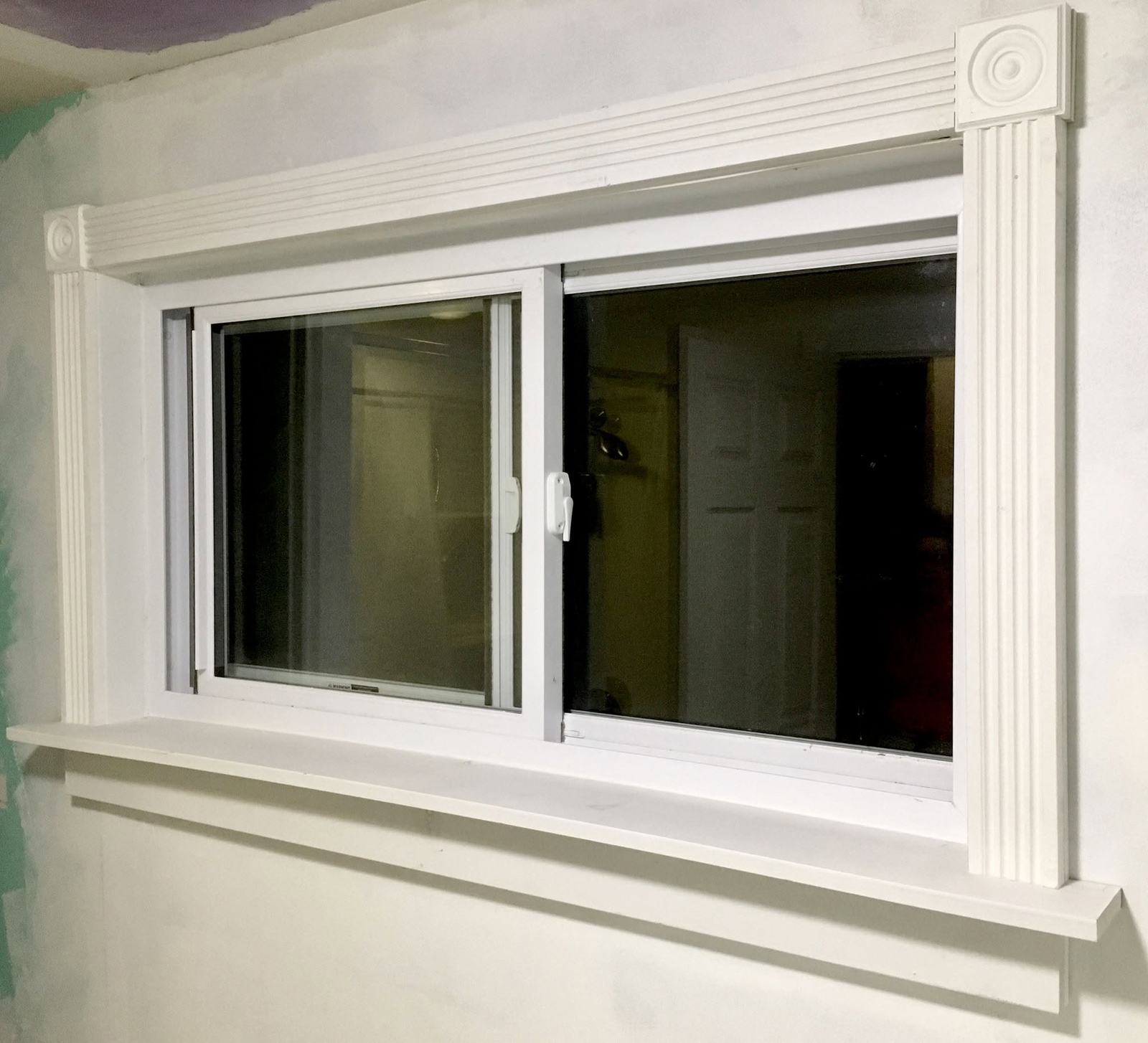
Window sill rot is usually repairable if the soft wood is shallow and the sill still holds its shape. If a screwdriver sinks more than about a quarter inch in several spots, the rot reaches the ends of the sill, or the wood below it is also soft, the sill should be replaced rather than patched. In older Saratoga Springs houses the sill is often the first part of a window to fail, because it is the one surface designed to catch water and shed it.
Why sills rot first
A window sill is the sloped piece of wood at the bottom of the exterior frame. Rain running down the glass and sash lands on it, snow sits on it for weeks, and meltwater pools wherever the slope has flattened over the decades. Once the paint film cracks, water soaks into the end grain and the joints where the sill meets the side casings. Freeze-thaw cycles then open those cracks wider each winter.
Several conditions speed this up:
- Paint that has been allowed to peel for more than a season or two
- A sill that has lost its pitch, so water sits instead of running off
- Failed caulk at the joints between the sill, the casing and the siding
- Gutters that overflow onto the window below
- Storm windows with blocked weep holes that trap water on the sill
If you have read our guide on how often to paint exterior trim, you know the paint film is what keeps the wood dry. Sills take more water than any other trim, so they usually need attention a little sooner than the casings around them.
The screwdriver test
You can check every sill on the house in an afternoon. Use a flat screwdriver or an awl and press it firmly into the wood at several points, paying most attention to the outer edge, the two ends and any spot where paint has lifted.
| What you find | What it usually means |
|---|---|
| The tip barely dents the wood | Sound wood. Scrape, prime and paint any bare spots. |
| Soft for an eighth to a quarter inch, small area | Surface rot. A good candidate for repair. |
| Soft and spongy over most of the sill | Deep rot. Plan on replacing the sill. |
| The wood crumbles or breaks off in chunks | Advanced rot. Check the framing below before anything else. |
| The interior stool or wall below is stained | Water may be getting into the wall. Look further. |
Check from the inside too. Peeling paint on the interior stool, a musty smell under the window, or soft drywall or plaster below the sill all suggest water is moving past the exterior and into the wall cavity.
Repair: when patching makes sense
Localized rot on an otherwise solid sill can be repaired with a wood consolidant and an exterior-grade epoxy filler. The work follows a set order. All soft wood is dug out until the tool hits firm fiber. The cavity is allowed to dry thoroughly, which in a damp fall can take days. A liquid consolidant soaks into the remaining wood and hardens it, then the epoxy filler is pressed in, shaped to match the original profile and sanded once it cures. The repair is primed and painted like the rest of the trim.
A careful epoxy repair can last many years because the material does not absorb water the way wood does. The weak point is the edge where filler meets wood, so the paint and caulk there need to stay in good shape.
Another option for a sill with sound middle sections is a dutchman, a piece of new wood cut to fit a section where the old wood has been removed. This is common in restoration work where keeping as much original material as possible matters.
Replacement: when the sill has to come out
Replacement is the better choice when the rot runs the length of the sill, reaches into the joints with the side jambs, or has spread to the framing underneath. Many older windows in Saratoga Springs were built with the sill let into the jambs, so removing it means cutting it out in pieces without damaging the frame or the interior stool.
A new sill should be made from a rot-resistant material. Choices include a durable species of solid wood, primed on all six sides before installation, or a cellular PVC or composite profile where appearance allows it. The new sill needs a proper slope away from the house, a drip groove on the underside so water falls clear instead of running back toward the wall, and a sound flashing or sealant detail at each end.
While the sill is out, the rough opening below can be inspected. If the framing is soft or there is staining down the inside of the wall, that has to be addressed before the new sill goes in. In some cases rot under a window is a sign the whole window unit is leaking, and replacing or rebuilding the window is the more sensible repair.
Older homes, lead paint and historic districts
Many houses in Saratoga Springs predate 1978, which means the trim may carry lead paint under the newer coats. Scraping, sanding or cutting out a sill disturbs that paint. Have it tested before work starts, and if lead is present the work should be done with lead-safe practices by someone trained in them.
If your house is in one of the city's historic districts, exterior changes that alter appearance, such as swapping a wood sill for a different material or profile, can require Design Review Commission approval. Like-for-like repair is generally simpler, but check with the city building department before you commit to a material. Our post on restoring an old house in Saratoga Springs covers how we approach original trim more broadly.
Keeping water off the new or repaired sill
A repair only lasts if the cause of the rot is dealt with at the same time.
- Clean and check gutters above the window; overflow onto a sill is a common cause. Our post on gutter, soffit and fascia rot explains what to look for.
- Clear the weep holes in aluminum storm windows each fall.
- Keep paint intact. Touch up chips and cracks on sills every year or two rather than waiting for a full repaint.
- Recaulk the joints between the sill and casings when the caulk shrinks or cracks, but never seal the drip edge underneath.
- Knock heavy snow off ground-floor sills after big storms so meltwater does not sit there for weeks.
Ice dams can also send water down the face of a wall and onto upper-floor sills. If stains appear under second-story windows after a hard winter, read our guide on ice dams and winter damage.
Frequently asked questions
Can I just paint over a soft window sill?
Paint will not stop rot that has already started. Moisture trapped under fresh paint keeps the decay going, and the paint usually blisters within a season. The soft wood needs to be removed and repaired or replaced first.
Is wood filler good enough for sill rot?
Standard wood putty is meant for small nail holes indoors and does not hold up outside. Two-part exterior epoxy fillers, used with a consolidant, are made for this repair and bond far better to wood that has been weakened.
What is the best time of year to repair window sills?
Late spring through early fall works best in the Capital Region, because consolidants, fillers, primers and paint all need dry wood and moderate temperatures to cure. A sill that fails in winter can be protected temporarily and repaired when the weather allows.
Does a rotted sill mean I need a new window?
Not always. If the sash, jambs and glazing are in reasonable shape, the sill can usually be repaired or replaced on its own. If rot has spread into the jambs and framing, or the window leaks in other places, replacing the unit may make more sense.
We repair and replace window sills, casings and other exterior trim as part of our restoration and built-ins work, matching original profiles where that matters. After a site visit you receive a written scope of work by phase, with the price and payment schedule for each phase.