Composite vs wood decking for a Capital Region deck
Pressure-treated, cedar, composite and PVC compared for Saratoga County weather, with the upkeep, snow and framing questions that decide it.
For most Capital Region homeowners, the choice between composite and wood decking comes down to how much upkeep you want and how long you plan to stay. Pressure-treated wood costs less to put down but needs cleaning and stain every few years to stay sound and good-looking. Composite and PVC boards cost more at the start, skip the staining, and hold their color far longer, though they still need cleaning and they ride on the same wood framing underneath.
What the options actually are
Four surface materials cover nearly every deck we see in Saratoga County.
- Pressure-treated lumber. Southern yellow pine treated against rot and insects. It is the most common deck material in the region and the standard for framing under every other surface.
- Cedar. Naturally rot-resistant, lighter in weight, and handsome when kept up. It is softer than pressure-treated pine and dents more easily.
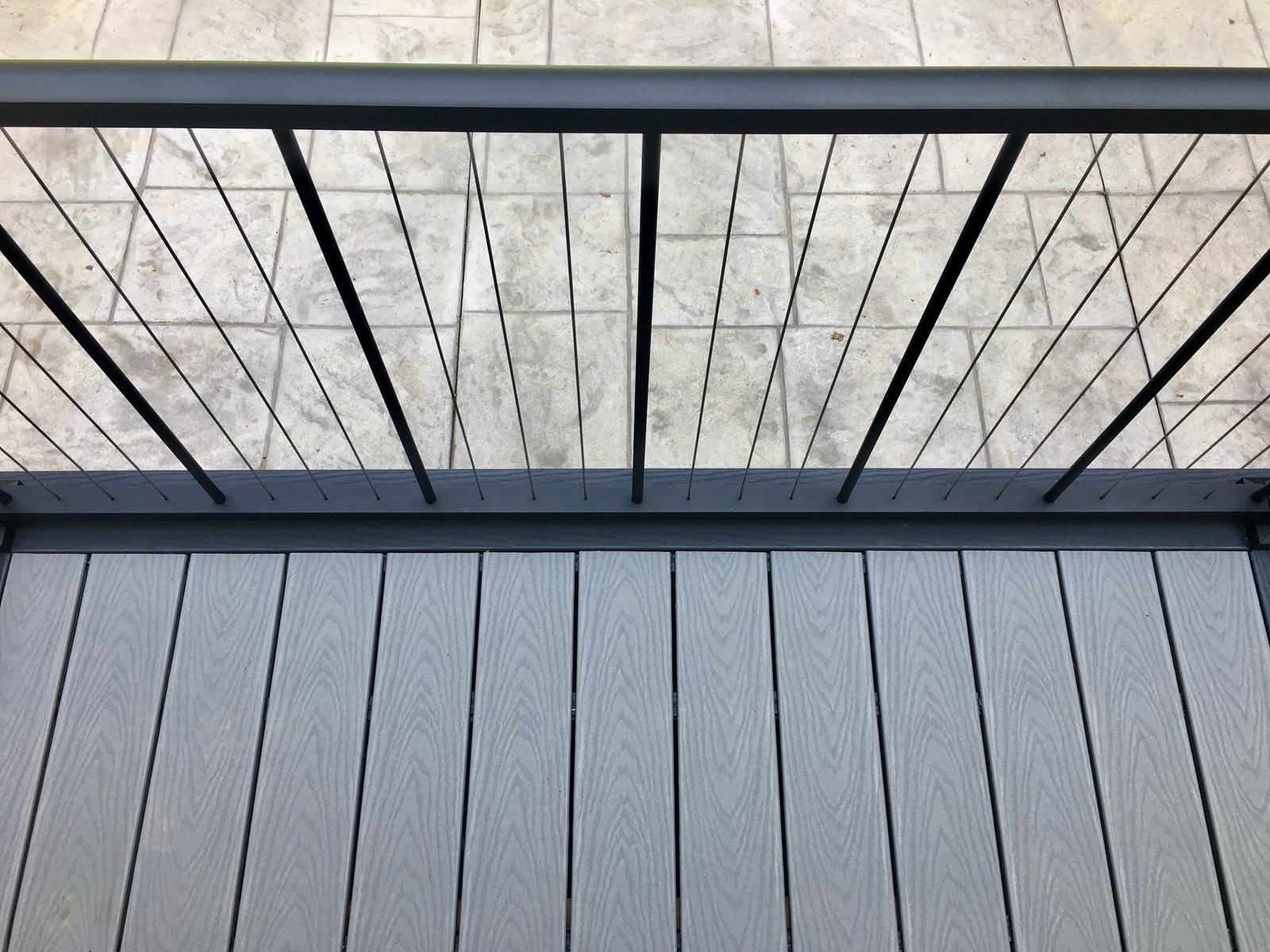
- Capped composite. A core of wood fiber and plastic wrapped in a harder plastic shell. The cap is what resists stains and fading. Older uncapped composites from the early 2000s had mold and fading problems that the capped products largely solved.
- PVC (cellular vinyl). No wood fiber at all. It is lighter than composite and very resistant to moisture, and it tends to expand and contract more with temperature.
How each one handles a Capital Region winter
Our climate is hard on decks for reasons that have nothing to do with summer use. Boards get wet in November, freeze, thaw on a sunny afternoon, and freeze again, over and over until April. Snow sits on the surface for weeks at a time. Ice melt gets tracked out from the door.
Wood absorbs water, and that cycle is what opens up checks and cracks, lifts the grain and loosens fasteners. A good stain or water-repellent finish slows that down, which is why the finish schedule matters so much. Our post on how often to stain a deck in upstate New York covers the timing and the simple water test.
Capped composite and PVC absorb very little water at the surface, so freeze-thaw does not split them the way it splits wood. They do move with temperature. Boards are gapped at the ends and sides according to the manufacturer's instructions for the temperature on install day, and a board laid tight in July can open a visible gap by January. That is normal when it is installed correctly.
For snow removal, both materials want a plastic shovel pushed along the length of the boards. Metal blades scratch composite caps and gouge soft wood. Ice melt is a product-by-product question. Composite manufacturers publish which deicers they accept, so check the instructions for your specific board before you spread anything on it.
Upkeep over the years
Upkeep is where the two paths split most clearly.
| Pressure-treated or cedar | Capped composite or PVC | |
|---|---|---|
| Cleaning | Once or twice a year | Once or twice a year |
| Stain or sealer | Every two to three years for most decks | Not needed |
| Board replacement | Individual boards split or cup over time | Rare when installed to spec |
| Color over time | Grays without finish | Some early lightening, then stable |
Wood rewards owners who like a weekend project and do not mind the cycle of washing, letting it dry and recoating. Skip a few cycles and the boards gray, splinter and start to cup, and at that point a deck can reach the stage described in our guide to signs your deck needs to be replaced.
Composite is not zero-maintenance. Pollen, leaves and shade from trees leave a film that can grow mildew on any surface, so a spring wash with a soft brush and a cleaner approved by the manufacturer is still part of owning one.
Heat, feel and looks
Composite and PVC get warmer than wood in direct sun, and darker colors get warmer than lighter ones. That matters for bare feet on a south-facing deck in July. Lighter shades and products designed to run cooler help.
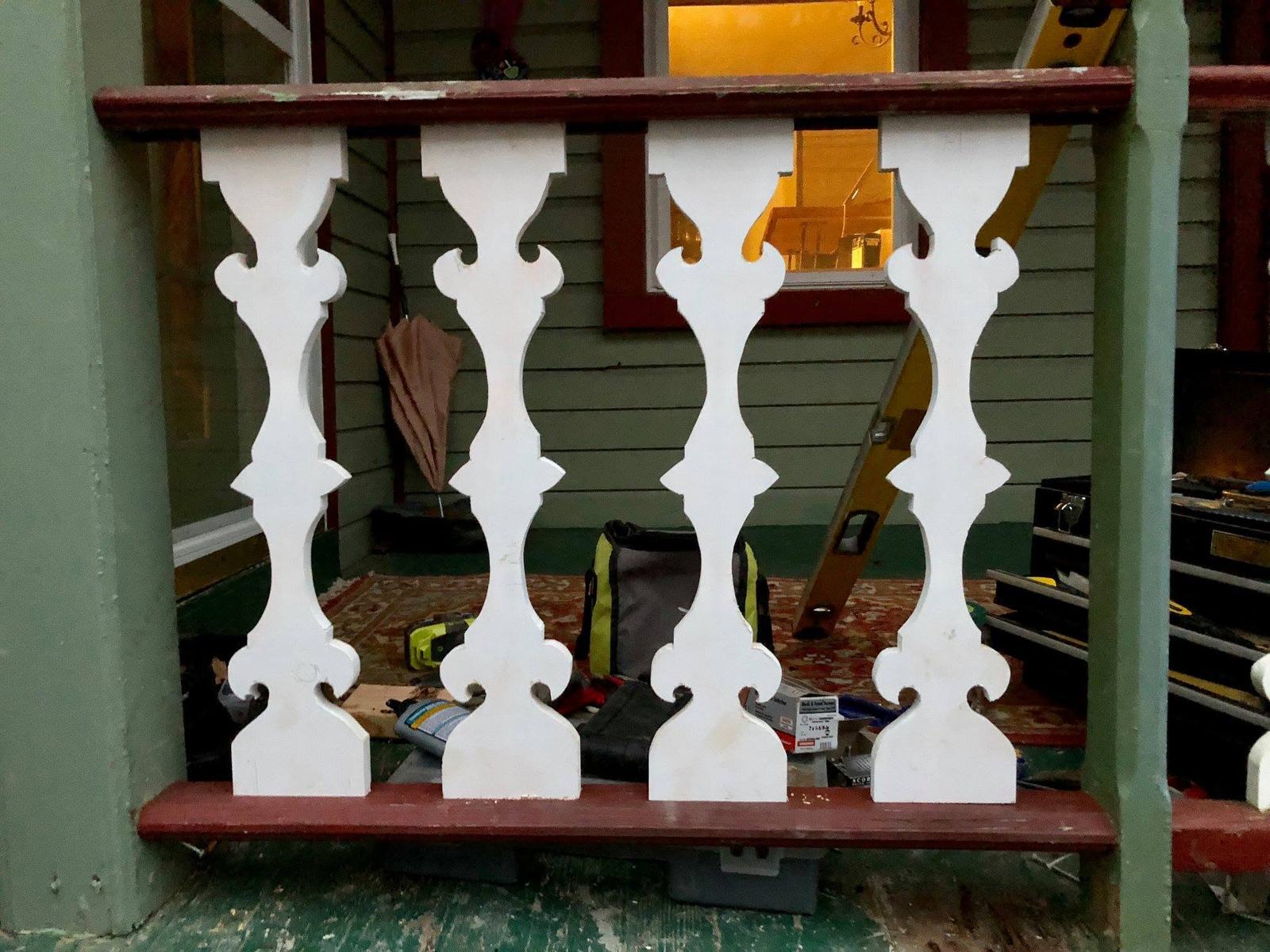
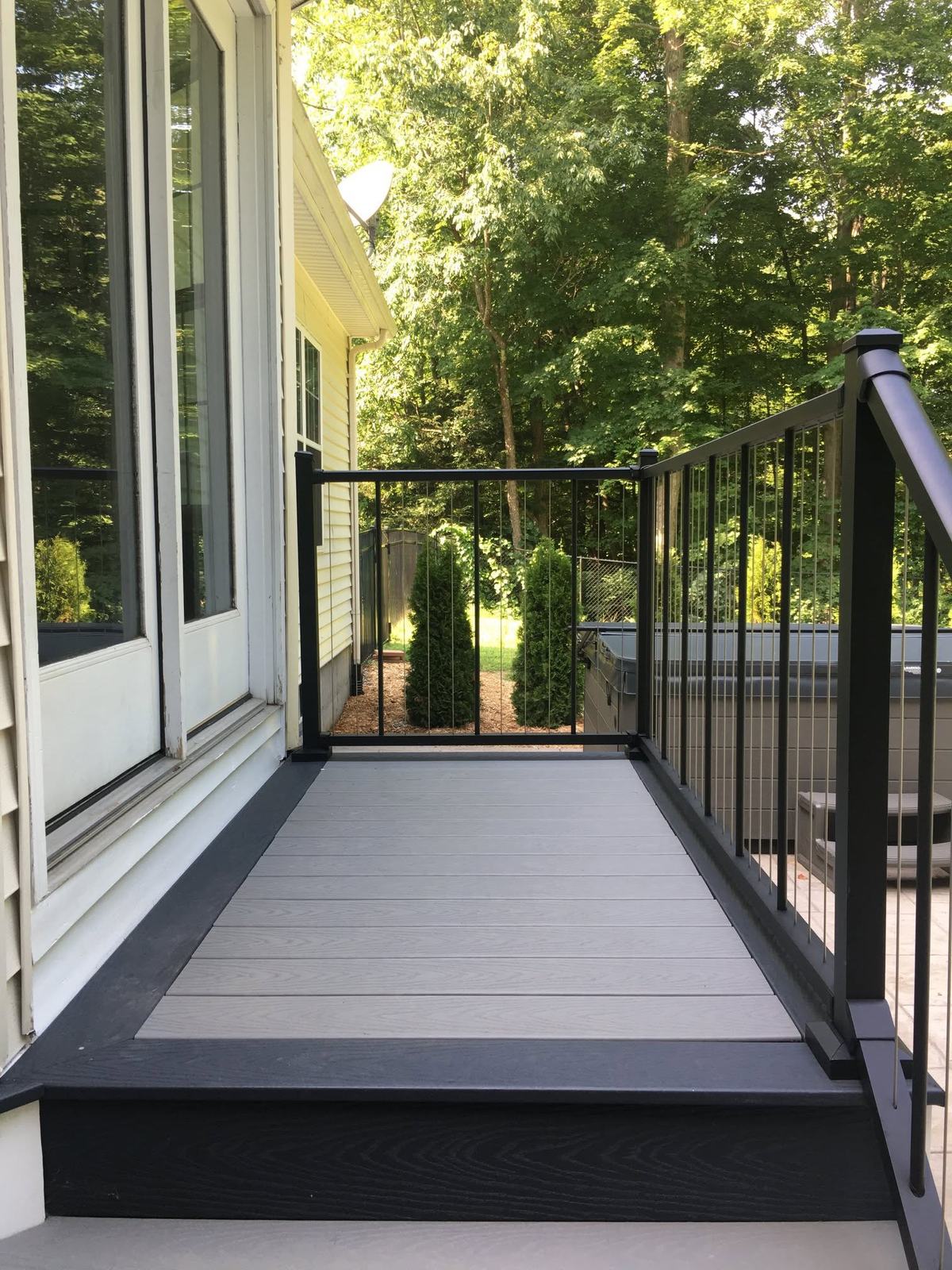
Wood looks and feels like wood, and some owners prefer that above everything else, especially on older houses. Composite has come a long way in grain pattern and color variation, and capped boards now come in many shades. On a period home, painted wood rails with composite decking can be a good middle path. One of the decks we show on our site pairs composite decking and stairs with a black aluminum rail over a stamped concrete patio, and another uses wood with sage-painted rails and black balusters. Both are sound choices for different houses and owners.
The framing underneath matters more than the boards
Whatever you walk on, the structure beneath it is almost always pressure-treated lumber, and that structure decides how long the deck lasts. A few points are worth knowing before you choose a surface.
- Joist spacing. Composite and PVC manufacturers specify maximum joist spacing, and it is often tighter for diagonal patterns. Wood decking has its own span limits too. Putting new composite on old framing that was spaced for thicker boards can leave a bouncy surface.
- Ledger and footings. If an existing deck is being resurfaced, the ledger connection to the house and the footings need inspection first. Our post on deck ledger board inspection explains what to look for.
- Guards and stairs. New boards do not change code. Guards are required where the walking surface is more than 30 inches above grade, at least 36 inches high on residential decks, with openings that a 4-inch sphere cannot pass through. Stairs with four or more risers need a handrail.
A resurfacing job is a simple swap only when the frame is sound and was built to carry the new boards.
How to decide
These questions usually settle it for the homeowners we talk with.
- How long will you live here? If the answer is five years or less, the lower first cost of wood often makes sense. Over a longer stay, the stain cycles on wood start to add up in time and materials.
- How much sun and shade does the deck get? Full sun favors lighter composite colors. Heavy shade under trees means more cleaning for any material, and slower drying for wood.
- Do you enjoy the upkeep? Be honest about whether refinishing will happen on schedule.
- What does the house call for? A historic home in a village center and a newer house in a Malta or Clifton Park subdivision may point in different directions.
Timing affects the decision too, since materials and schedules shift through the year. Our post on the best time to build a deck in the Capital Region covers the planning calendar.
Frequently asked questions
Does composite decking hold up to snow and ice in upstate New York?
Capped composite handles freeze-thaw well because it absorbs very little water, so it does not split and check the way wood does. Clear snow with a plastic shovel along the board length and use only the ice melt the manufacturer lists as safe for that product.
Can you put composite boards on an existing wood deck frame?
Sometimes. The frame needs sound footings and ledger, no rot, and joist spacing that meets the composite manufacturer's requirements. Many older frames were spaced for thicker wood boards and need added joists or a rebuild first.
Is pressure-treated wood a bad choice for a deck?
No. It is the most common decking in the region and lasts well when it is cleaned and stained on a regular schedule. It simply asks for more ongoing care than composite or PVC.
Does composite get too hot to walk on?
Composite and PVC run warmer than wood in direct summer sun, and dark colors run warmest. Lighter colors, cooler-running product lines and some shade make a real difference on south- and west-facing decks.
We design and build decks in both wood and composite, from the footings and framing up through stairs, guards and rails, with a written scope by phase so you know exactly what is included. See our decks, stairs and railings work to get a sense of what we build across the Capital Region.