When is the best time to build a deck in the Capital Region?
Why decks get planned in winter and built from spring into fall in Saratoga County, and what weather, permits and materials do to the schedule.
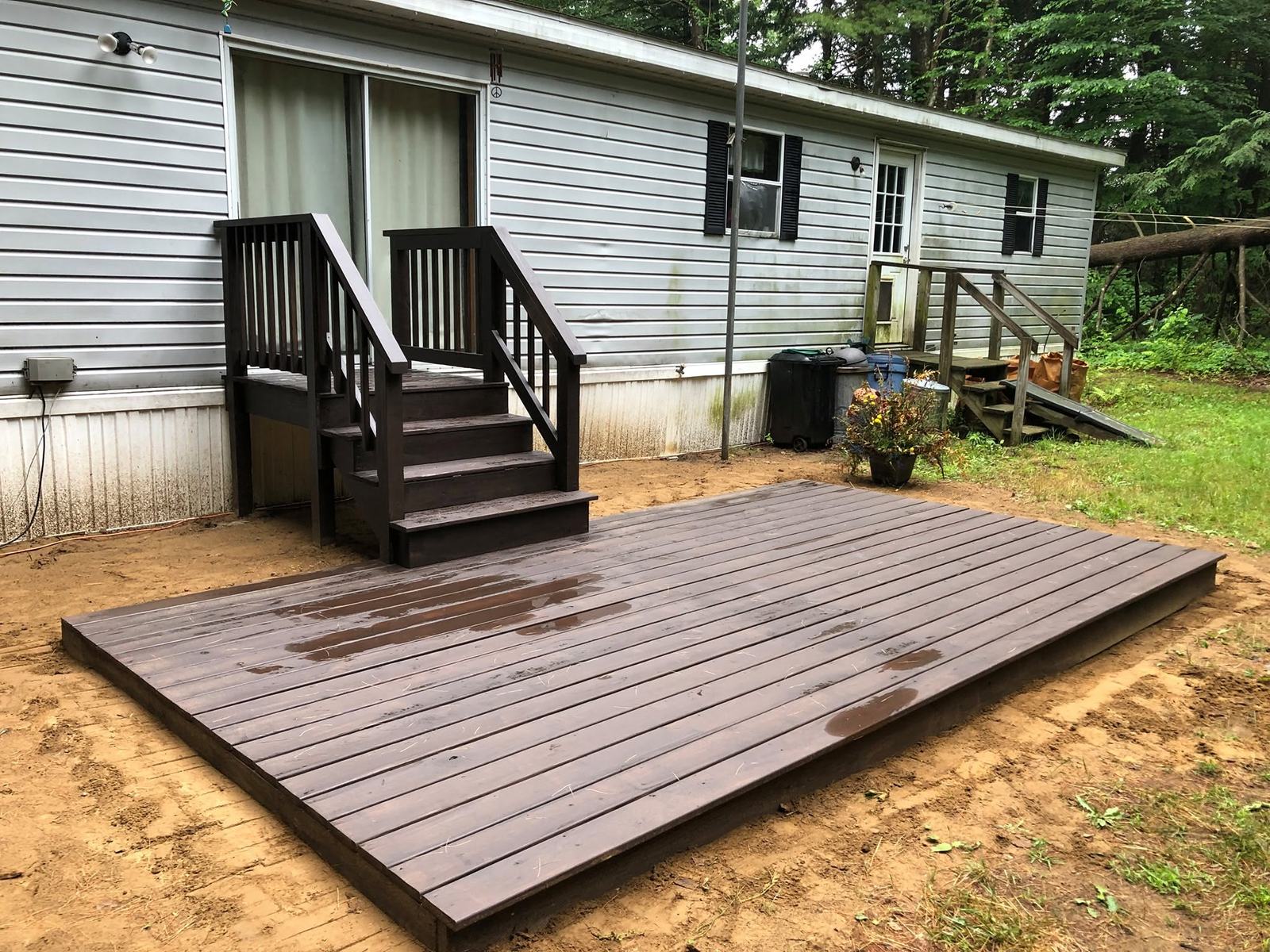
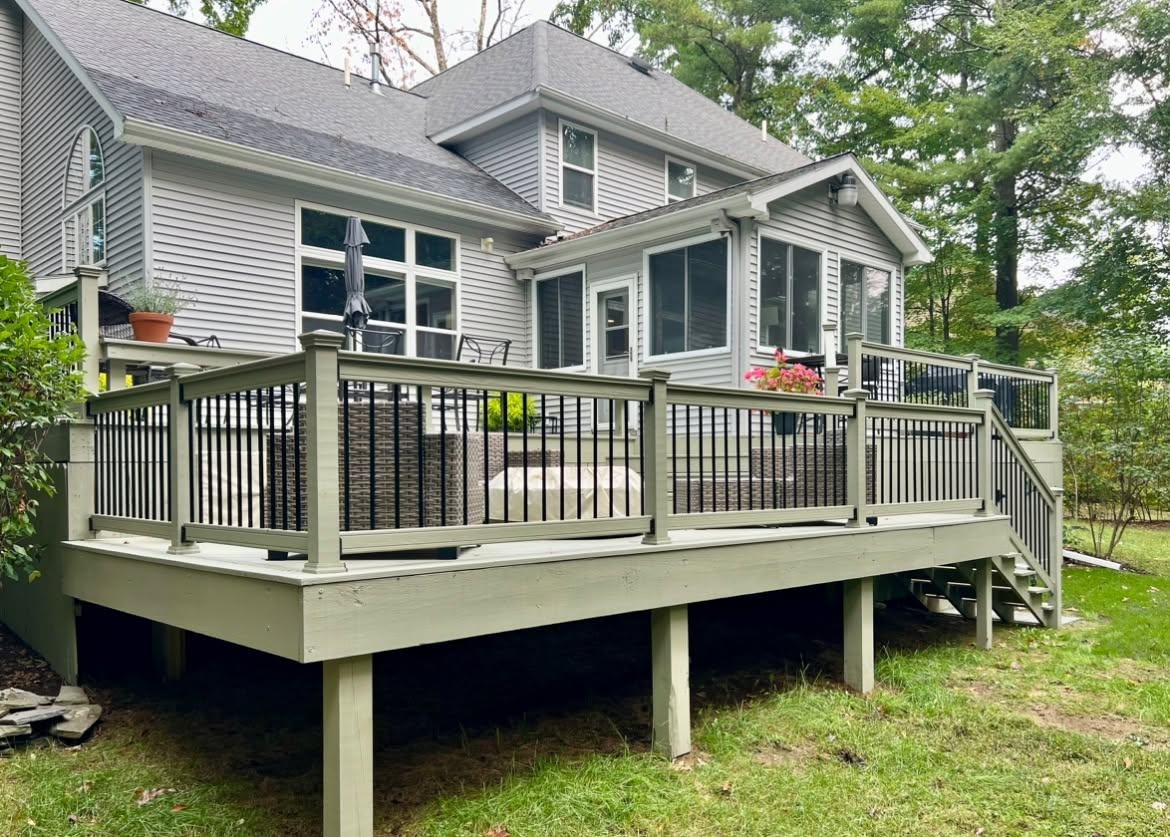
In the Capital Region, most decks are built from late spring through fall, when the ground has thawed, footings can be poured, and stain or sealer can cure. The best time to start the project, though, is the winter before. Design, drawings and a building permit all take time, and homeowners who plan in January or February are the ones standing on a finished deck by early summer.
Why the calendar matters more here
Our building season is shorter than in much of the country. Frost stays in the ground well into spring, early snow is possible in late October, and the warm months in between are when nearly every outdoor project in Saratoga County wants to happen at once. A deck depends on the weather at several stages.
- Footings are dug into soil and need concrete that can cure properly. Frozen or saturated ground makes that difficult.
- Framing and decking can go up in cooler weather, but rain and snow slow the work and leave lumber wet.
- Finishes on wood need dry boards and temperatures within the range printed on the can.
Your town or city building department sets the required footing depth for your location, and that depth is chosen so footings sit below the frost line. Check with the building department rather than relying on a number from another region.
A season-by-season planning calendar
Winter: design and paperwork
Winter is the right time to decide what you want. Think about how you will use the deck, how many people it should seat, where the grill goes, and where the stairs should land. Measure the space and note the door locations, windows and any utilities on that side of the house. This is also the time to choose between wood and composite, which our guide to composite vs wood decking covers in detail.
Most new decks need a building permit, and the application usually calls for a drawing showing size, height, footings, framing and guards. Getting that done in winter means the permit can be in hand before the ground thaws.
Spring: the busiest window
Once the frost is out and the ground dries, footings can go in. Spring is when the most homeowners call, so starting early in the year helps with scheduling. Spring rain is the main source of delays at this stage. It is also a good time to look over an existing deck for winter damage. Our spring home inspection after winter checklist includes the deck items to check.
Summer: steady building weather
Summer brings long days and dry stretches that suit framing and finishing. If you want to use the deck for a July gathering, working back from that date to a winter start is realistic. Starting the conversation in June for a July deck usually is not.
Heat has one practical effect. Stain applied to hot boards in direct afternoon sun can dry too fast and lap-mark, so finishing is often done in the morning or on overcast days.
Fall: an underrated season
September and October are often the most pleasant months for outdoor construction in the Capital Region. Temperatures are moderate, humidity drops, and there is usually less rain than in spring. A deck built in fall is ready on the first warm weekend of the next year, without waiting in the spring rush. The main limit is the calendar. Concrete work and finishes need to wrap up before nights turn consistently cold, so a fall project should be planned by late summer.
Late fall into winter
Some work can continue after the first frost, such as framing on footings that are already in, repairs, rail replacement and covered porch work. New footings and wood finishing are harder to do well once the cold settles in. Fall is also when to get an older deck ready for the snow, which our fall home maintenance checklist covers.
Pressure-treated wood and the waiting period
If your new deck uses pressure-treated lumber, there is a step many people do not expect. New treated boards often arrive wet from the treatment process and need time to dry before they will accept stain. The usual check is to sprinkle water on the surface. If it beads up, the wood is not ready. If it soaks in within a few minutes, it is. Depending on the lumber and the weather, that can take anywhere from a few weeks to a few months.
That has a scheduling effect. A treated deck built in late spring can usually be stained in late summer or early fall. One built in late fall may have to wait until the next spring for its first coat. The stain manufacturer's instructions are the final word. Composite and PVC decking skip this step entirely.
Permits, inspections and the schedule
Permit timing varies by town and by the time of year, so it is worth asking the building department early how long reviews have been taking. Inspections, typically of the footing holes before concrete and of the finished framing, have to be scheduled around the work. Our post on whether you need a permit in Saratoga Springs explains how to approach the question and why skipping a permit can cause trouble when the house is sold.
On a property in one of the Saratoga Springs historic districts, a deck visible from the street may also need Design Review Commission approval. That review has its own schedule, which is one more reason to start in winter.
Replacing an old deck: timing the teardown
Replacing a worn deck adds a demolition step and often uncovers surprises such as a rotted ledger, failing footings or water damage on the house wall behind the old deck. Planning for those possibilities, and having a clear way to handle them in writing, keeps the project moving. Our guide to signs your deck needs to be replaced helps you judge whether repair or replacement is the right call before you plan the season.
A practical point for summer replacements is that you lose the deck for the length of the job. If the deck is the main way out of a kitchen door, plan for a temporary step or an alternate exit, and for safety, keep that door locked while there is a drop outside it.
Frequently asked questions
Can a deck be built in winter in upstate New York?
Parts of it can. Framing, decking and rail work can continue in cold weather on footings that are already poured, though snow and short days slow progress. New footings and wood staining are difficult to do well in freezing conditions, so most new decks are scheduled between spring and fall.
How far ahead should I plan a summer deck?
Start in winter if you want to use the deck by midsummer. That leaves time for design, a permit and scheduling before the spring rush. A conversation that starts in late spring often leads to a late summer or fall build.
When should a new pressure-treated deck be stained?
Once the boards are dry enough to absorb water, which can take a few weeks to a few months after installation. Sprinkle water on the surface. If it beads, wait. If it soaks in, the wood is ready for the stain manufacturer's recommended product.
Is fall a good time to build a deck?
Yes. Fall weather in the Capital Region is often dry and moderate, and a fall-built deck is ready to use on the first nice day of spring. Plan by late summer so footings and finishes are done before consistently cold nights.
We visit the site first, then plan the deck by phase with a written scope, price and payment schedule, so you can see how the work fits the season before anything is built. Learn more about our deck, stair and railing projects across the Capital Region.