Do I need a building permit in Saratoga Springs?
Decks, additions, structural changes and new plumbing or electrical work usually need a permit. How to check, what historic districts add, and what happens when you sell.
In Saratoga Springs, most projects that change a home's structure, add space, or involve new plumbing, electrical or mechanical work need a building permit, while cosmetic work such as painting, new cabinets on existing walls or replacing flooring usually does not. Decks, additions, porch rebuilds, removing or altering walls, and finishing a basement are common examples of work that typically needs one. Because the rules and thresholds are set and updated locally, the reliable answer for any specific project comes from the City of Saratoga Springs Building Department, and for homes outside the city, from your town's building department.
Work that usually needs a permit
The New York State Residential Code, based on the International Residential Code, sets the standards that permitted work is inspected against. Projects that generally need a permit include:
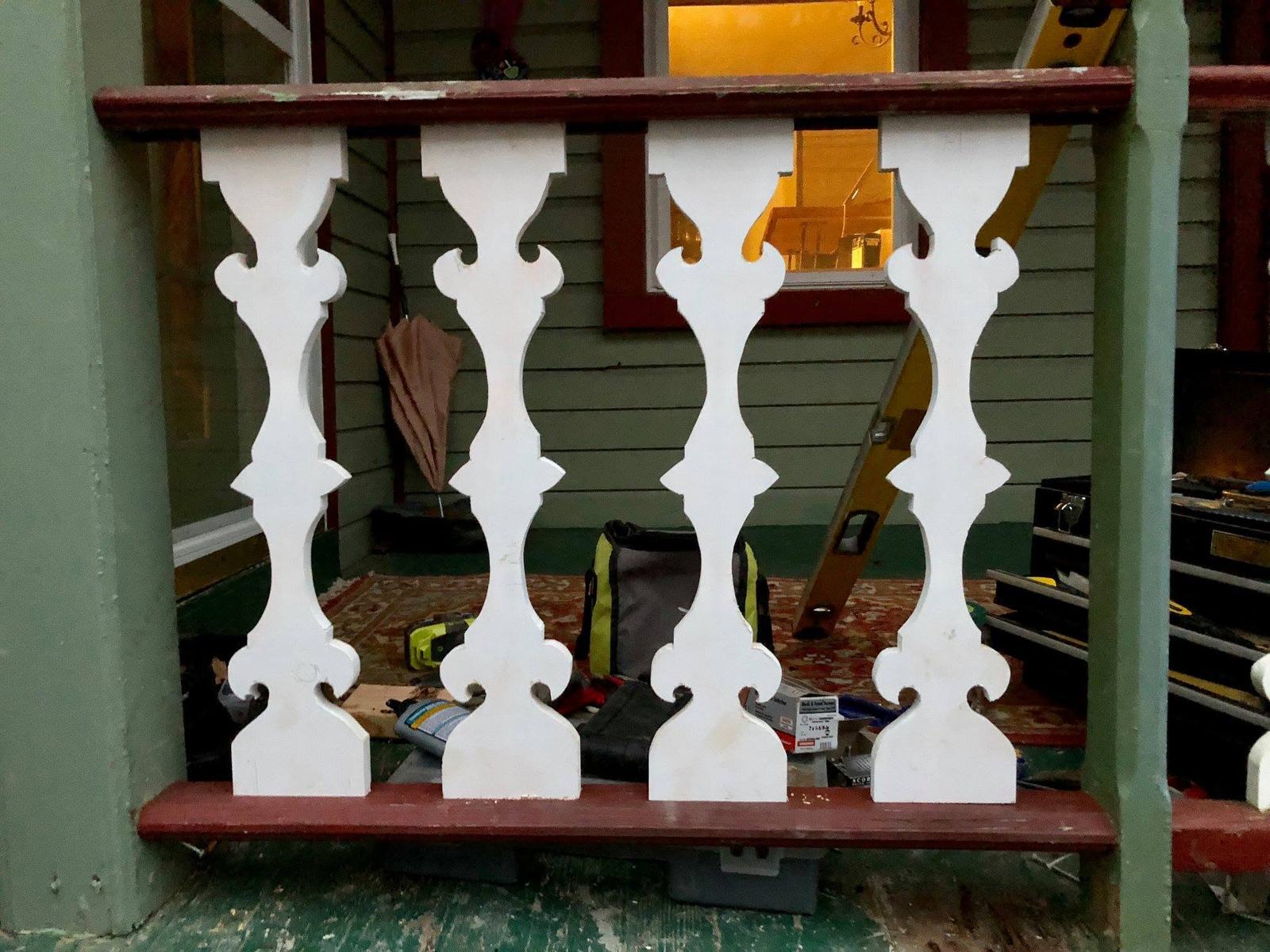
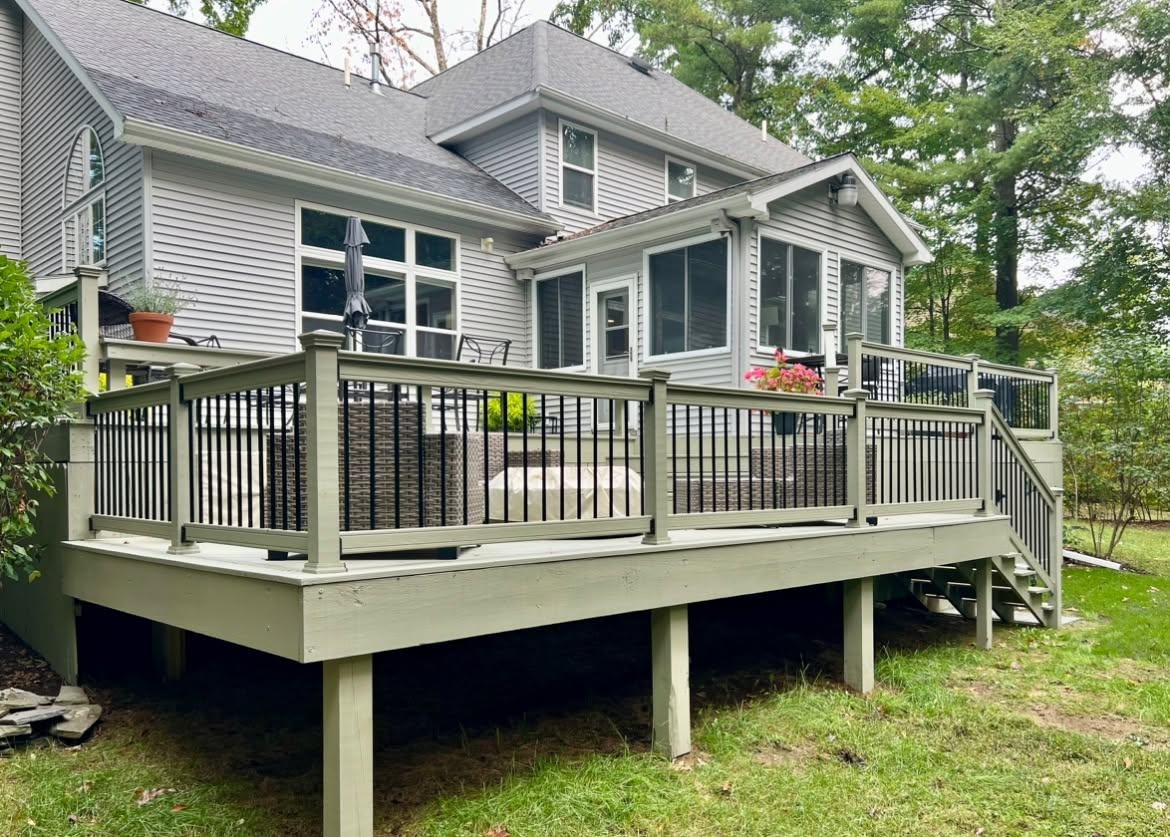
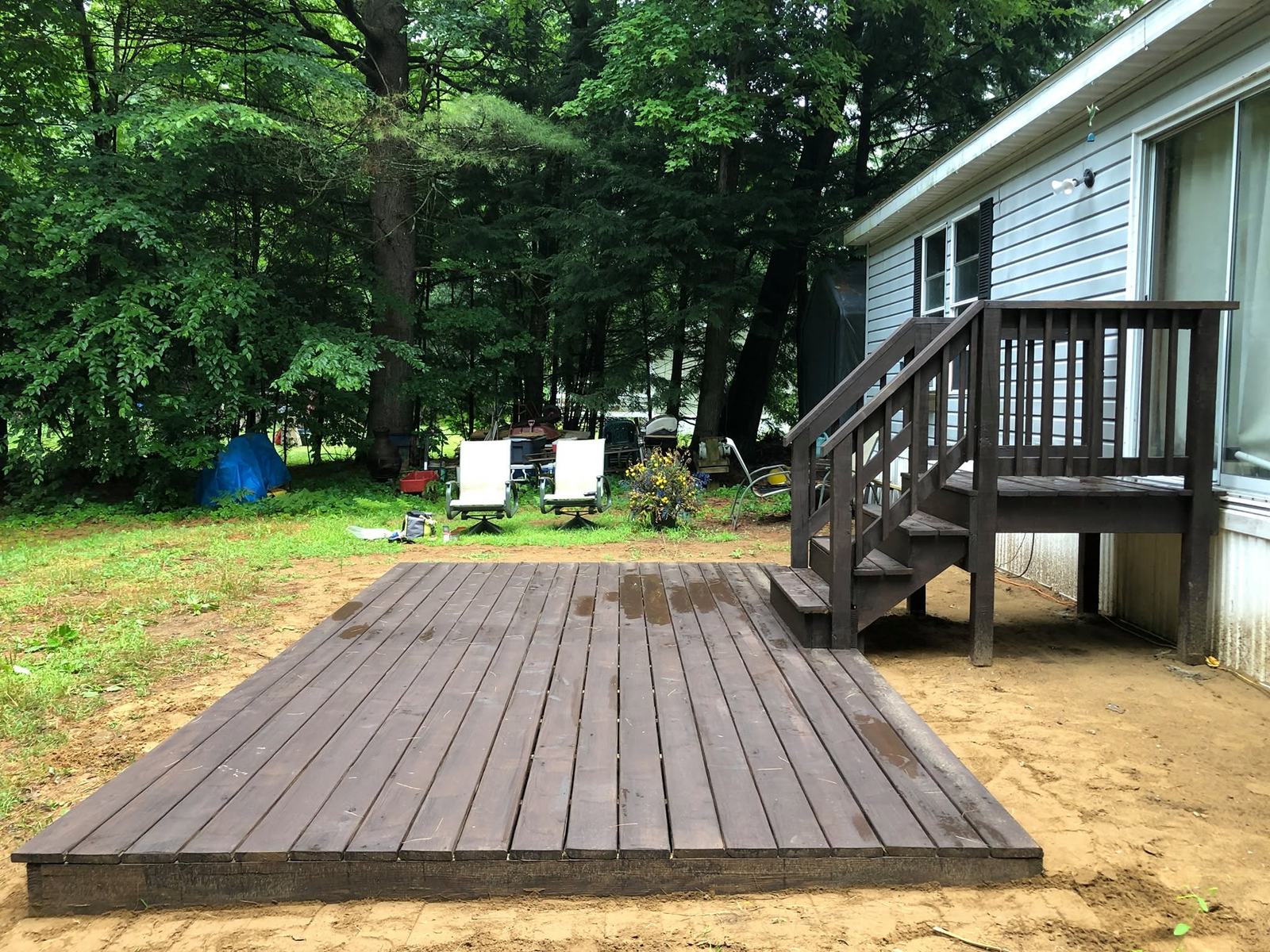
- Decks and porches, new or rebuilt, especially those attached to the house or raised above grade
- Additions, including porch enclosures that become living space
- Structural changes, such as removing or altering a wall, cutting a new window or door opening, or changing roof framing
- New or relocated plumbing, such as moving a sink or adding a bathroom
- Electrical work beyond simple fixture swaps, such as new circuits or a panel change
- Heating, ventilation and fuel-burning equipment, including new furnaces, boilers and wood stoves
- Basement finishing and any change that creates a bedroom
- Demolition of a structure or a significant part of one
Some cities and towns also require permits for re-roofing, new siding, fences, sheds over a certain size and retaining walls. Those thresholds vary, so confirm them for your address rather than relying on what a neighbor or a website elsewhere says.
Work that usually does not
Purely cosmetic work generally does not need a permit. This typically includes painting, wallpaper, replacing flooring, replacing cabinets and counters in the same layout, and replacing a fixture in the same location. Even here, there are exceptions: replacing a water heater, for example, is often regulated, and work on a building in a historic district may need review even when it is not structural. When in doubt, call the building department before work starts.
Historic districts and design review
Saratoga Springs has historic districts, and exterior changes to properties in them can need approval from the city's Design Review Commission in addition to a building permit. That can include new porches and railings, window and door replacement, siding, roofing materials, and additions visible from the street. Review takes time, so build it into the schedule for any exterior project on an older house downtown or in a historic neighborhood. Our guide to restoring an old house in Saratoga Springs covers what tends to come up on these properties.
Setbacks, lot coverage and height are zoning questions. An addition or a large deck that comes close to a property line may need zoning approval or a variance before a building permit can be issued.
What the permit process involves
The details differ from place to place, but the general steps are similar:
- Application. A description of the work, with drawings or a site plan. Larger projects may require plans stamped by a licensed architect or engineer.
- Proof of insurance. New York requires proof of workers' compensation and disability benefits coverage, or a valid exemption, before most building permits are issued. Contractors provide their certificates; a homeowner doing their own work on their own home may qualify for an exemption form instead. See contractor insurance: what to ask in NY for the specifics.
- Review. The department checks the plans against code and zoning.
- Inspections. Inspectors visit at set stages, for example footings for a deck before concrete is poured, framing before walls are closed, and a final inspection.
- Close-out. After the final inspection, the permit is closed and a certificate of completion or occupancy may be issued.
Fees, timelines and required documents are set by each municipality. Ask the building department or check its official page for current requirements.
What happens if you skip it
Unpermitted work tends to surface at the worst time, which is when you sell. A buyer's inspector or attorney may notice a deck, addition or finished basement that does not appear in the municipal record. That can delay a closing, lead to a price reduction, or require you to apply for a permit after the fact, which can mean opening finished walls so an inspector can see the work.
There are practical risks too. Insurers may question claims involving unpermitted work. More importantly, inspections exist because some mistakes are dangerous and invisible once covered, such as a deck ledger fastened wrong, a missing footing or an overloaded circuit. On decks, the code requires guards where the surface is more than 30 inches above grade, at least 36 inches high with openings a 4-inch sphere cannot pass through, and handrails on stairs with four or more risers; our post on when stairs need a handrail explains those rules in more detail.
Who pulls the permit
On contracted work, the permit is commonly handled by the contractor doing the work, since the contractor's insurance certificates are part of the application and the contractor schedules the inspections. Whoever applies, the permit should be discussed before the project starts and listed in the written scope. If a contractor suggests skipping a permit on work that clearly needs one, treat it as a warning sign. Our Saratoga Springs deck builder guide covers what to ask before hiring for an outdoor project.
Frequently asked questions
Do I need a permit to replace my deck in Saratoga Springs?
Replacing a deck usually needs a permit, particularly if the structure, footings or ledger are being rebuilt. Replacing only the deck boards on a sound frame may be treated differently. Confirm with the Saratoga Springs Building Department before you start.
How long does it take to get a permit?
It depends on the project and the department's workload. Simple projects can be quick; anything that needs design review or zoning approval takes longer. Ask the department for current timelines and apply well before your planned start date.
Can I get a permit after the work is done?
Often, yes, but it can involve exposing finished work for inspection and correcting anything that does not meet code. It is usually easier and less expensive to get the permit first.
Permits belong in the planning of any deck, stair or railing project, alongside design and materials. We visit the site first and provide a written scope of work organized by phase, so questions like this are settled before work begins; for more on projects in the city, see our Saratoga Springs page.