Decks and porches for homes in Greenfield and Gansevoort
How rural and wooded lots in Greenfield and the Gansevoort area shape deck and porch design, from footings near septic fields to tall decks on walkout lots.
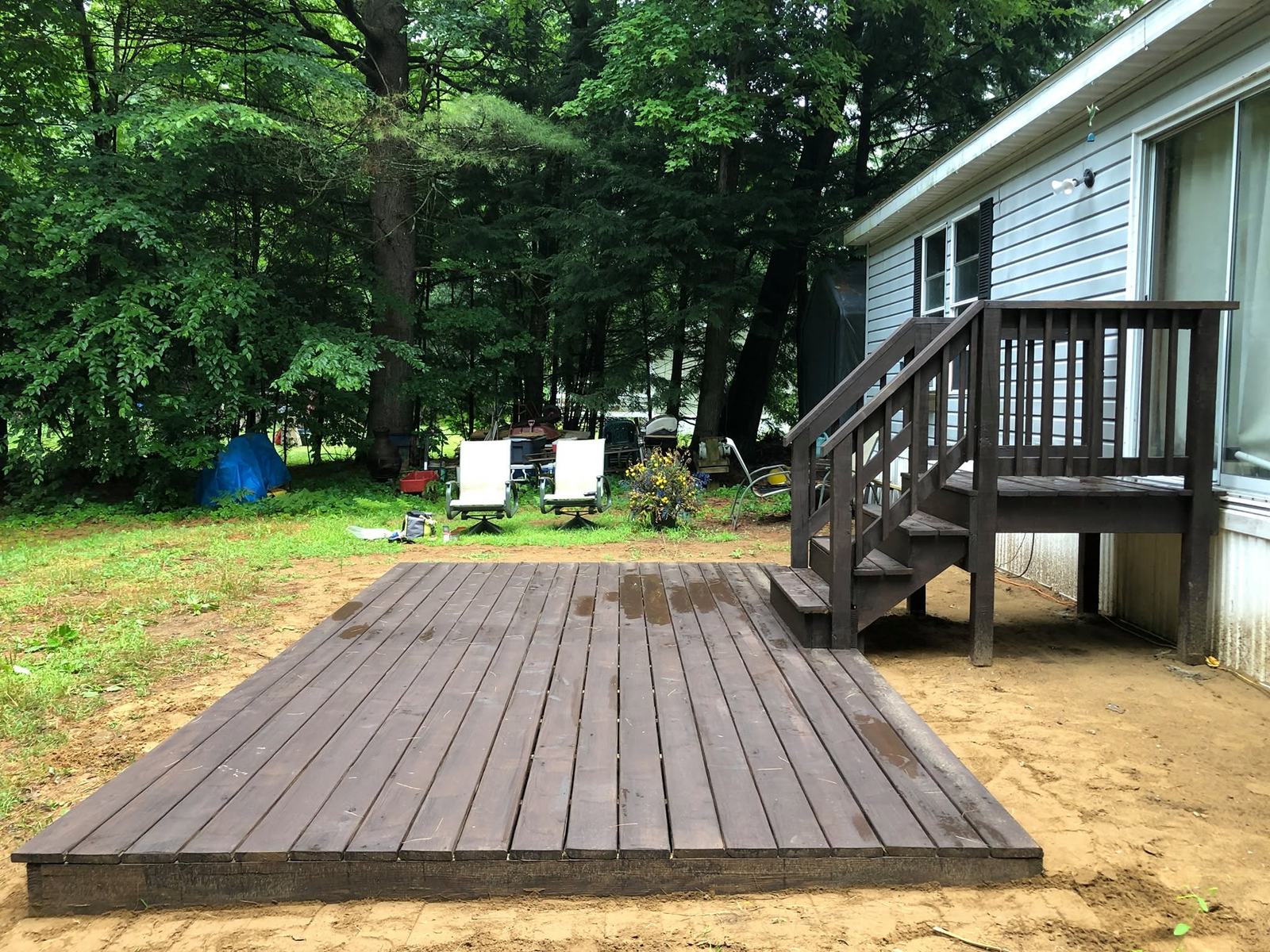
A deck or porch in Greenfield or Gansevoort has to fit a different kind of property than one in a village center. Lots are larger, many are wooded, yards often slope, and most homes rely on a private well and septic system. Those features change where footings can go, how tall the deck ends up, and how the boards will weather, so a good plan starts with the land as much as with the house.
The housing and the land
Greenfield sits just north and northwest of Saratoga Springs and is largely rural, with farmhouses from the 1800s along the older roads, homes from the middle of the last century, and newer houses on wooded lots built over the past few decades. The Gansevoort area, north of Wilton, takes in a similar mix of older homes and newer construction on larger parcels. Both areas share a few traits that matter for outdoor projects.
- Lots tend to be big enough that the deck is a real outdoor room rather than a landing off the back door.
- Many houses are surrounded by trees, which means shade, falling leaves and slower drying.
- Sloped and rolling lots are common, and so are walkout basements.
- Private wells and septic systems are the norm.
Those conditions are not obstacles. They just call for a few decisions that a builder working mostly in subdivisions might not think about.
Wells, septic fields and where a deck can go
Before footing locations are drawn, it is worth knowing where your septic tank, distribution box and leach field are, and where the well and its buried line run. Footings, heavy equipment and a deck structure do not belong on top of a leach field, and access to the septic tank for pumping should stay clear. If you do not have a septic drawing, the company that pumps your tank or the original permit records may help.
Buried electric lines to a garage or outbuilding, propane lines and invisible pet fences are other common surprises on rural lots. Calling 811 a few days before any digging gets public utility lines marked, but private lines on your own property are usually your responsibility to locate.
Sloped lots and tall decks
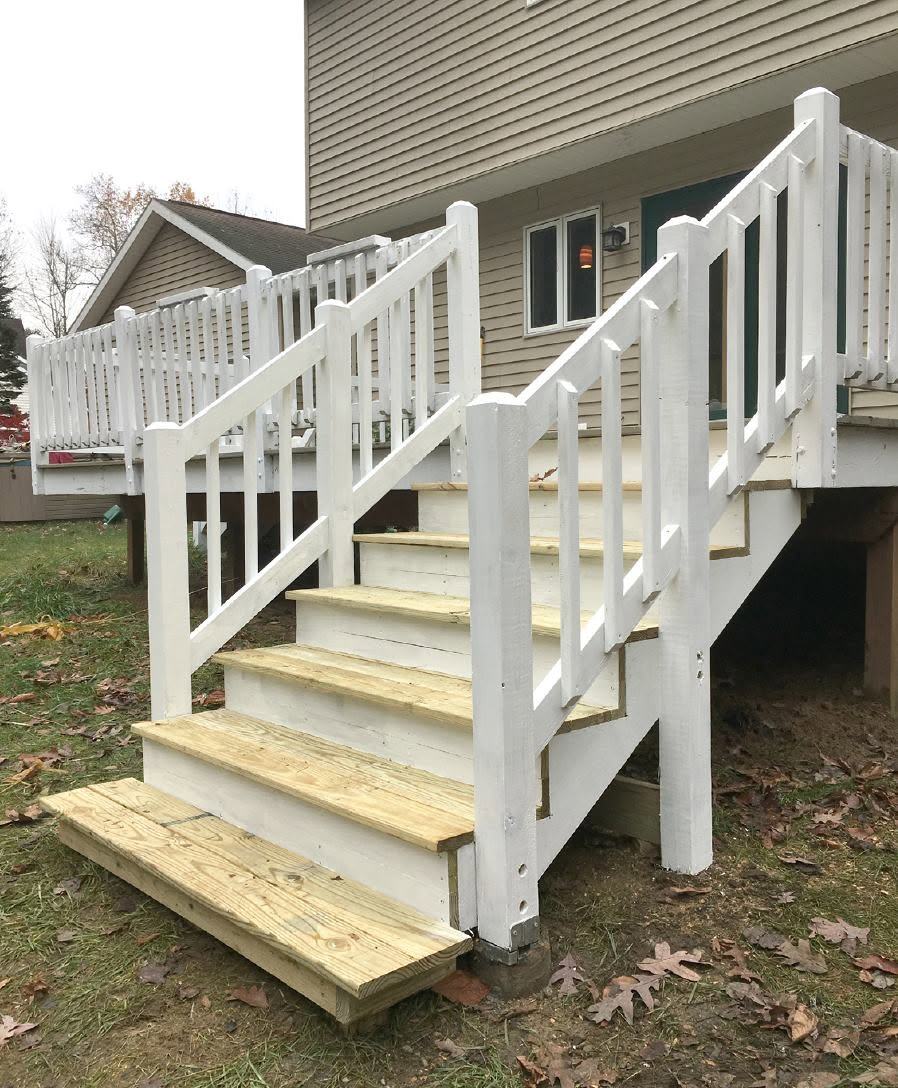
A walkout basement on a sloped lot often puts the main-floor door eight or ten feet above the yard. A deck at that height is a different structure from a low platform.
- Guards. Any deck surface more than 30 inches above grade needs guards at least 36 inches high, with openings a 4-inch sphere cannot pass through.
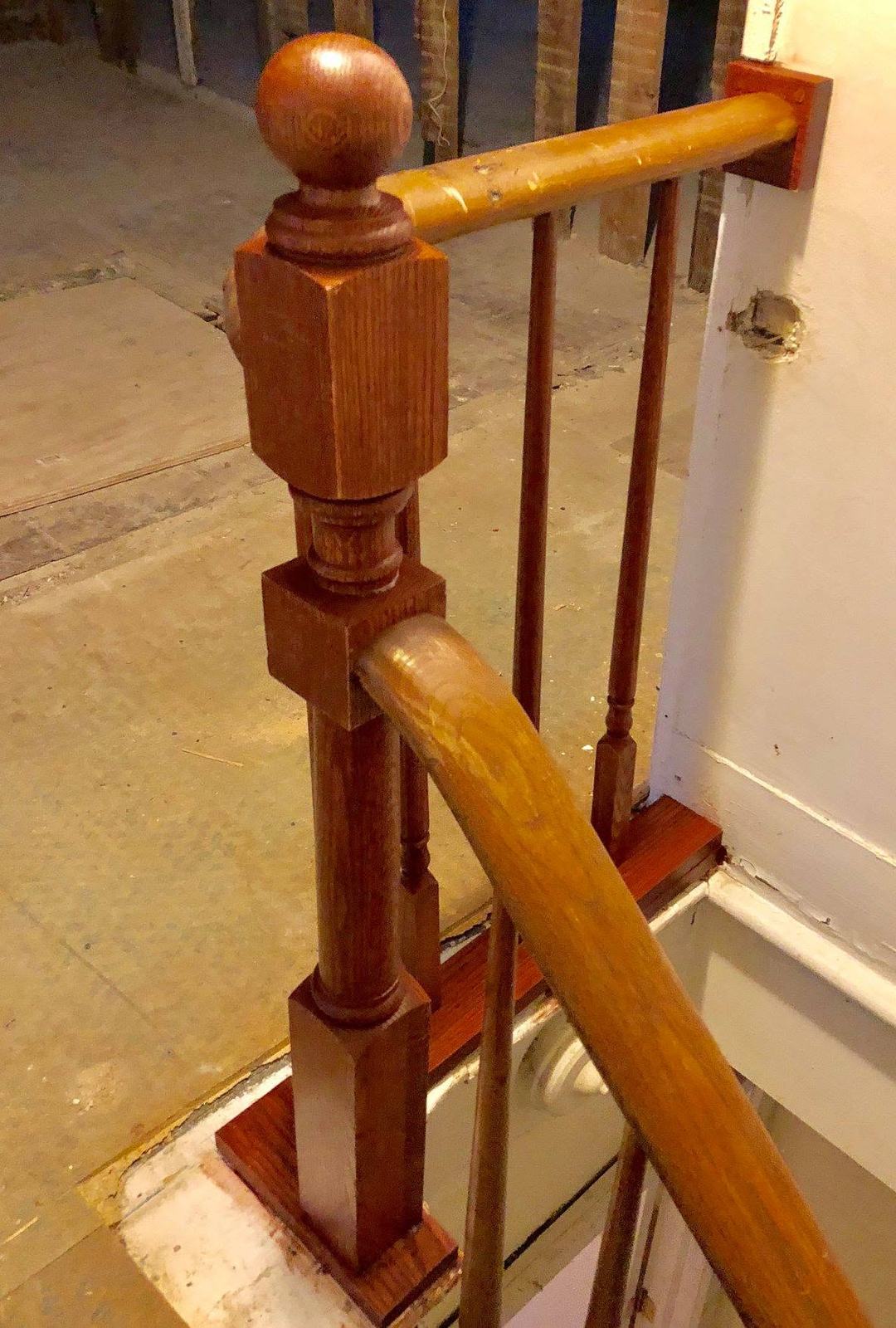
- Stairs. A long run of stairs to the yard needs a handrail where there are four or more risers, at a height of 34 to 38 inches, and may need a landing partway down depending on the total rise.
- Bracing and footings. Tall posts call for proper footings, connections and lateral support, all of which the building department will look at.
- Underneath. The space below a tall deck can become shaded storage or a covered patio, but water drains through the deck boards unless a drainage system is added.
On a lot that slopes away from the house, a multi-level design can step down with the grade and keep each level closer to the ground. Our post on deck ledger board inspection is worth reading for any raised deck, because the connection to the house carries much of the load.
Trees, shade and material choice
Wooded lots are a large part of why people choose Greenfield and Gansevoort, and they also shape how a deck ages. Shade slows drying after rain and snowmelt. Leaves, needles and pollen collect in board gaps and hold moisture. Mildew and algae grow more readily on surfaces that rarely get full sun.
For wood decks, that means more frequent cleaning and paying attention to the finish. Our guide to how often to stain a deck explains how to tell when a wood finish is worn out. Capped composite resists moisture better but still needs washing in shady locations. The comparison in our post on composite vs wood decking in upstate NY walks through the tradeoffs in more detail.
Keep in mind the trees themselves. Overhanging dead limbs over a deck are a hazard in an ice storm, and roots near footing locations can affect where holes can be dug. Footings placed close to large trees may disturb roots that the tree depends on.
Farmhouse porches
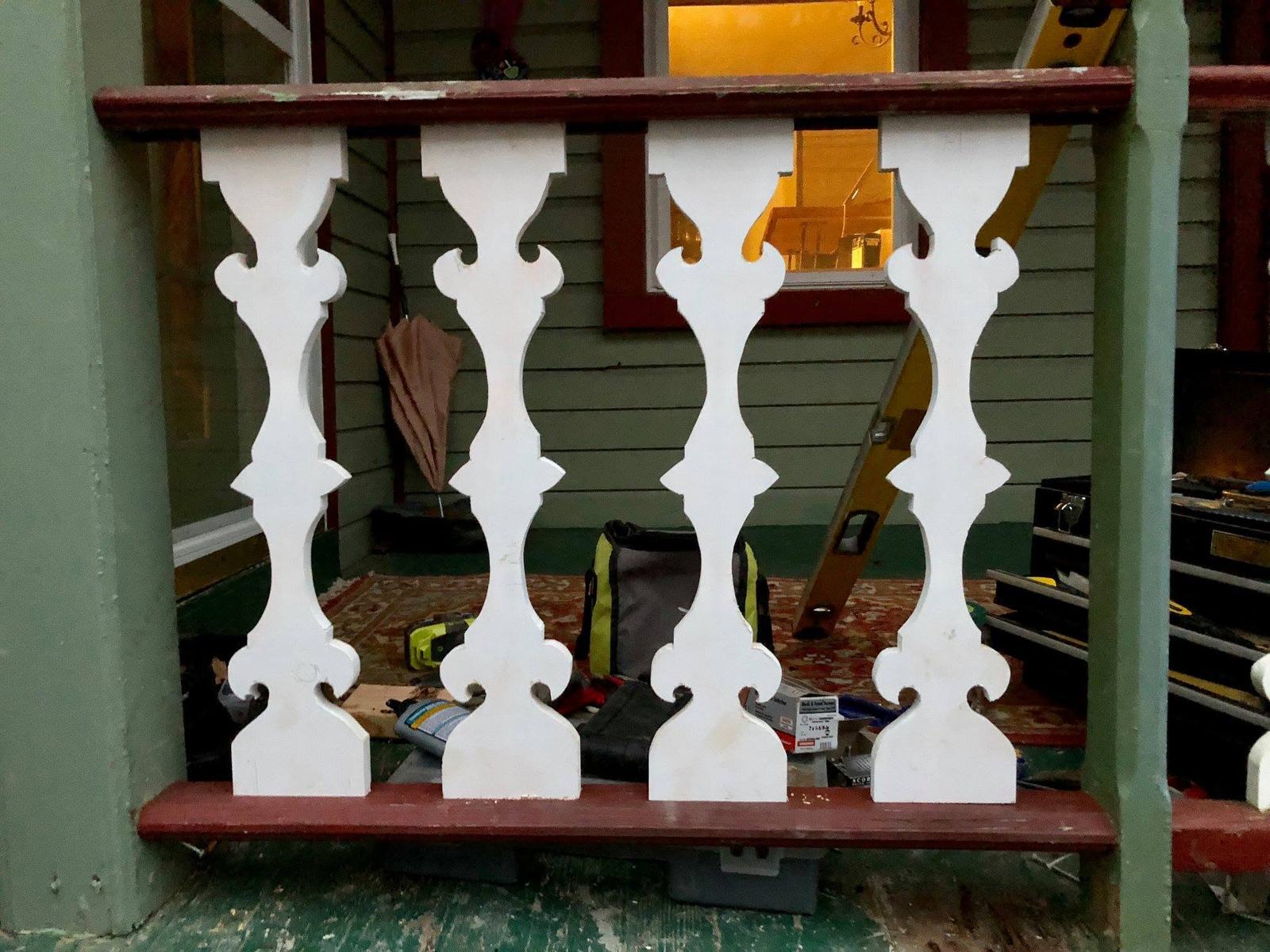
Older farmhouses in the area often have front or wraparound porches that have seen many decades of weather. Common issues include rot at the bottoms of columns, soft floorboards near the edges, loose railings, and porch roofs that have sagged where a post has settled. Repairing a porch on an older house is often a matter of replacing failed parts with matching profiles rather than tearing the whole thing off. Our post on porch railing repair describes what to check.
Some owners decide a seldom-used porch would serve them better as a closed-in room. That is a larger project with its own foundation and insulation questions, covered in our guide to turning a porch into a four-season room.
Permits in Greenfield and the Gansevoort area
New decks and most porch work require a building permit. Gansevoort addresses fall within more than one town, so the first step is confirming which town's building department covers your property. That department can tell you the footing depth, drawing requirements and inspection steps for your location. Asking those questions early avoids redesigning after a plan is already drawn.
Frequently asked questions
Can I build a deck over or near my septic field?
A deck and its footings should not be built on top of a leach field, and access to the septic tank should stay open for pumping. Locate the system before planning footings, and check with your town's building department or health authority about required distances.
Do tall decks on walkout lots need special design?
Yes. Higher decks need guards at least 36 inches high, proper stairs with handrails and possibly a landing, and posts, footings and bracing designed for the height. The building department reviews these details on the permit drawings.
Is composite a better choice on a shady wooded lot?
It often is, because composite absorbs little water and does not need staining. It still collects leaves and can grow mildew in shade, so a spring cleaning remains part of the routine. Wood works well too if you keep up with cleaning and finishing.
We design and build decks, stairs, railings and porch repairs across northern Saratoga County, with a site visit first and a written scope by phase. See our decks, stairs and railings work, or learn about the other towns we serve on our Capital Region page.