A room-by-room home safety checklist for aging parents
A practical walk-through families can use at a parent's house, with quick fixes and the bigger changes worth planning.
The best home safety checklist for elderly parents follows the path they take every day and looks for the things that cause falls: stairs without rails on both sides, dark hallways, slippery bathrooms, loose rugs, and icy entry steps. Most of the fixes are small. Walk the house with your parent, at the times of day they actually move around, and write down every place they reach for a wall or furniture to steady themselves.
How to do the walk-through
Visit in the evening as well as the day, because dim light changes everything. Ask your parent to show you how they get from bed to the bathroom at night, how they get into the shower, and how they carry laundry. Watch rather than ask. People rarely mention the things they have quietly stopped doing, like using the upstairs tub or going into the basement.
If you can, ask their doctor for an occupational therapist's home safety evaluation. An OT will look at how your parent moves, not just at the house, and recommend specific equipment and changes. For families in Saratoga County, this checklist is a good warm-up for that visit and for any contractor conversation.
Entry and outside
- Are there rails on both sides of the entry steps, solid and easy to grip?
- Are the steps even, with no heaved or cracked treads? Freeze-thaw cycles move steps every winter; see concrete and wood step repair.
- Is there a light over the door on a switch or motion sensor, and a path light from the driveway?
- Is there somewhere to set down bags while unlocking the door?
- Who clears snow and spreads salt or sand, and how quickly?
- Does the door have a tall threshold that catches feet?
If the steps themselves are the problem, our guide on wheelchair ramp vs steps covers the options.
Stairs
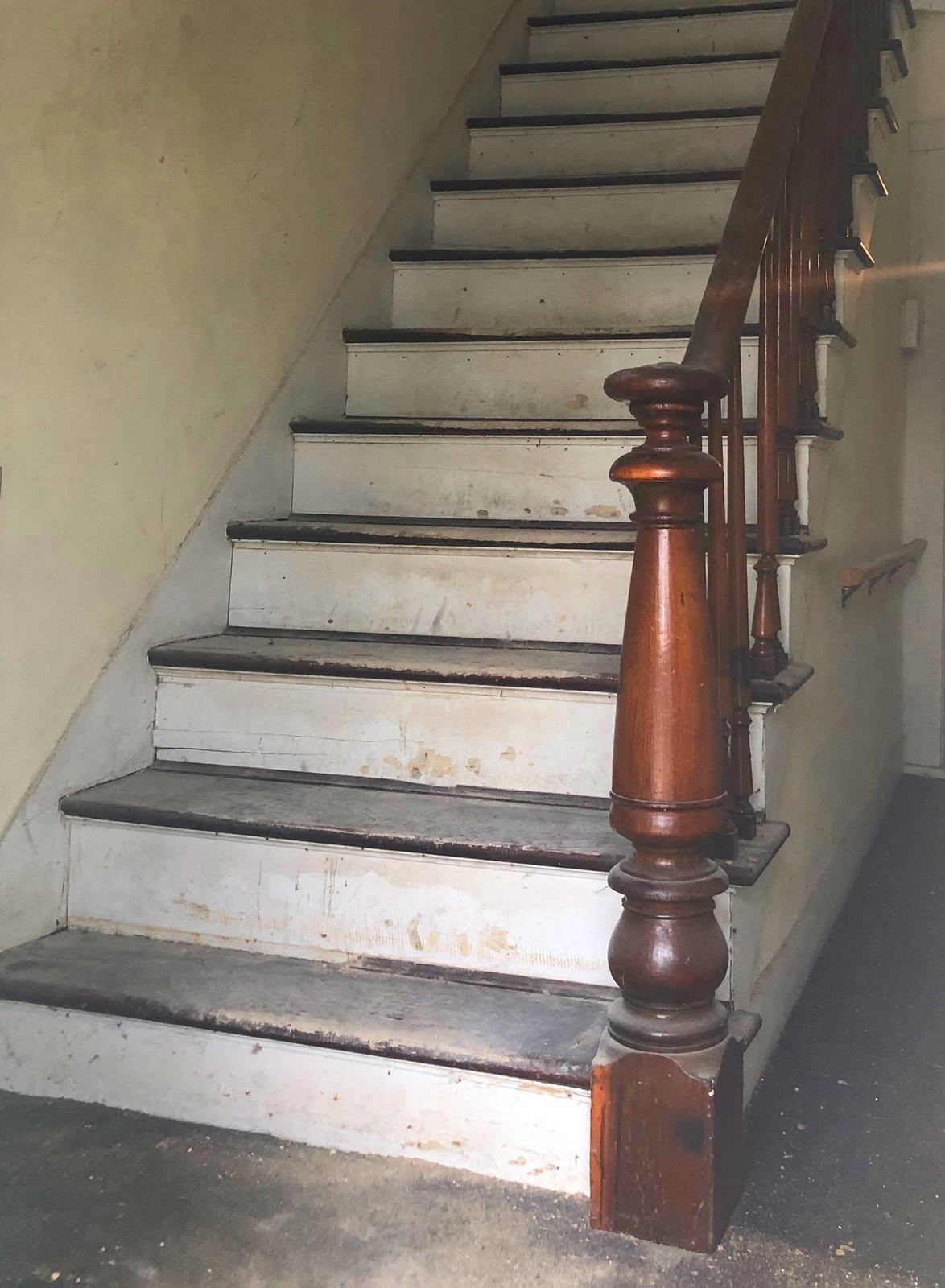
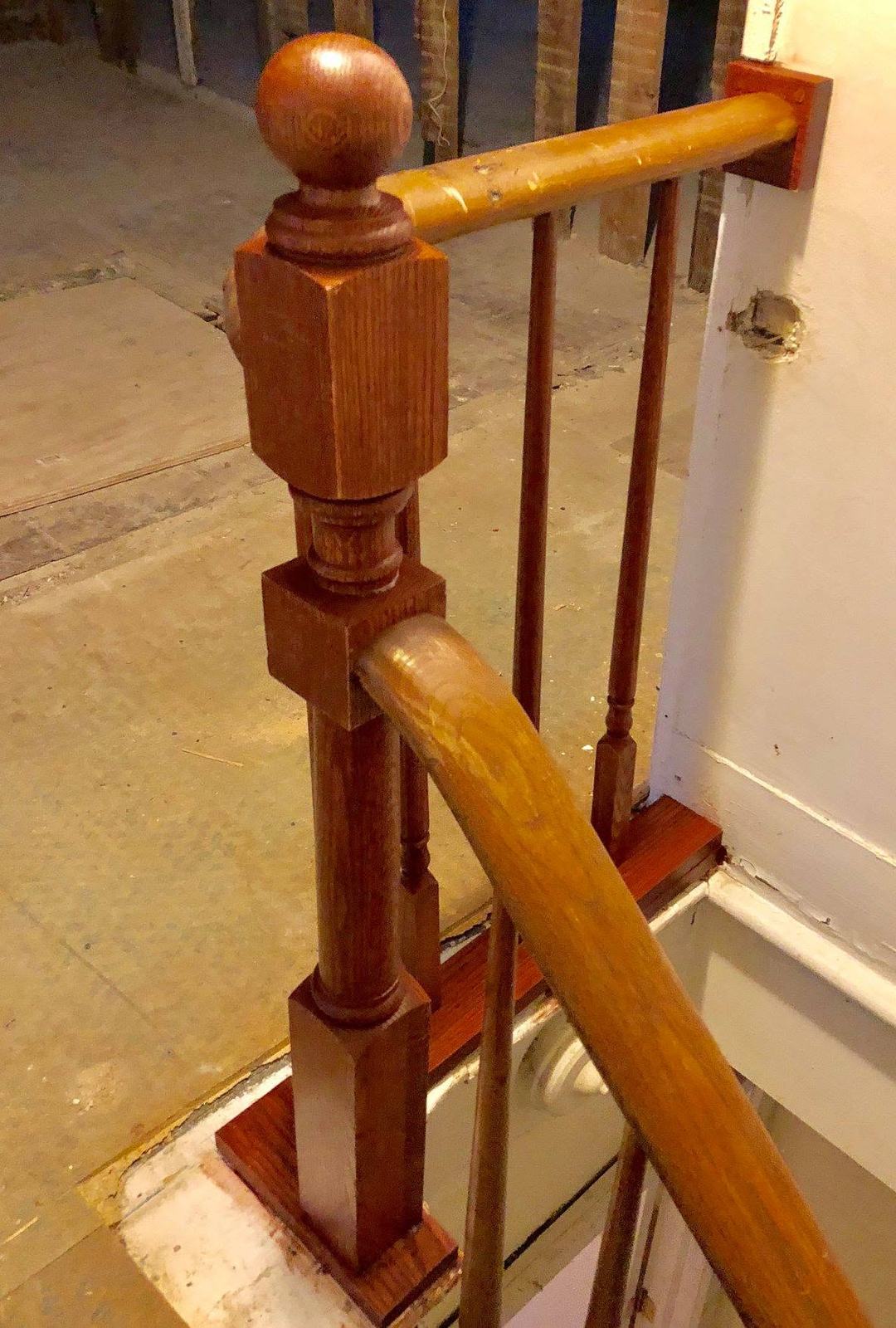
- Is there a handrail on both sides, running the full length? Code calls for a rail on stairs with four or more risers, 34 to 38 inches above the nosings. Two rails are far safer.
- Is each rail solid when you pull on it? A wobbly rail is worse than a missing one.
- Are there light switches at the top and the bottom?
- Are tread edges easy to see? Contrasting tape or a painted nosing helps aging eyes.
- Is carpet tight, with no loose runners or worn nosings?
- Are things stored on the steps?
The basement stair deserves the same look, especially if laundry is down there. See when stairs need a handrail.
Bathroom
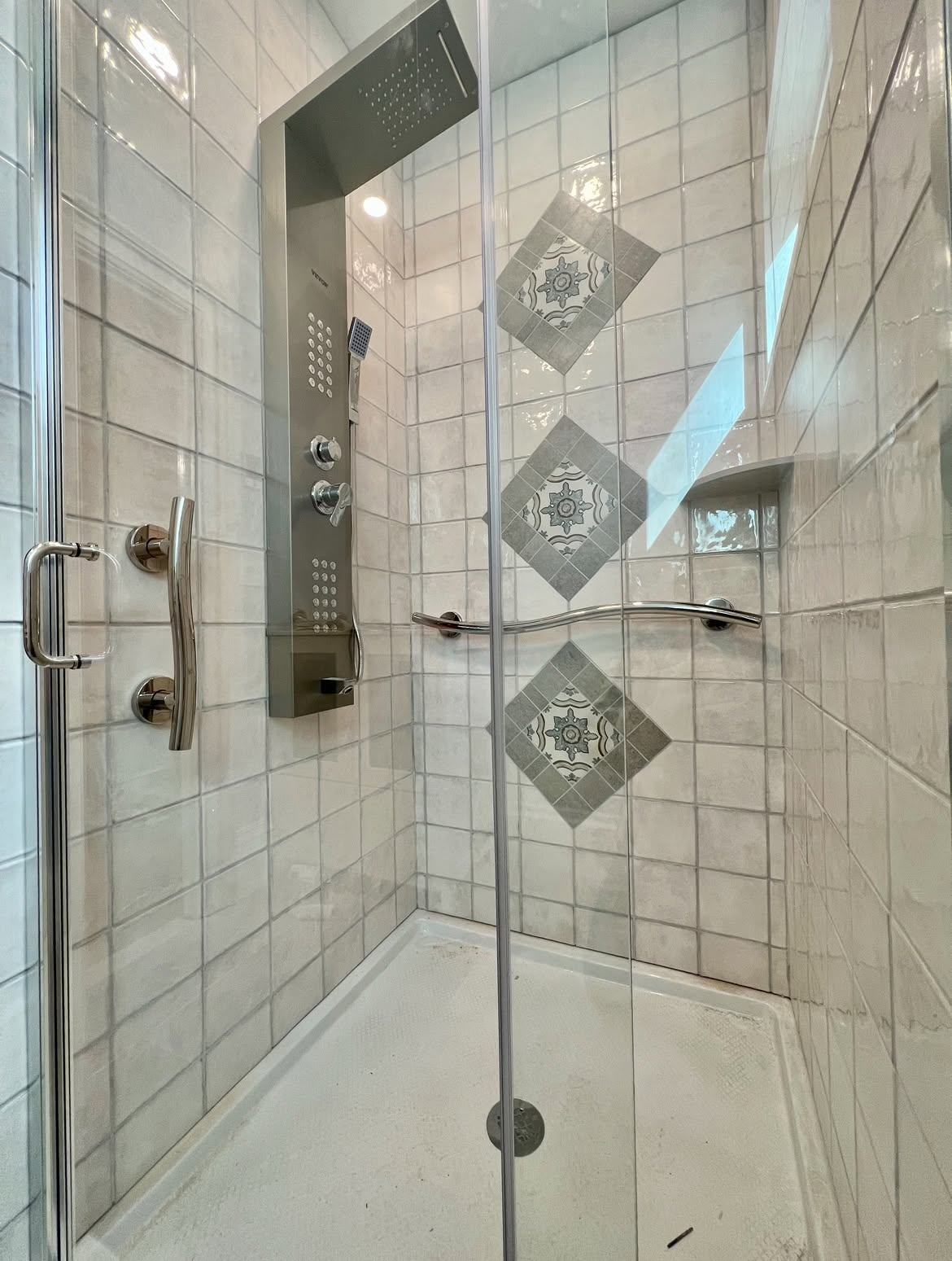
- Grab bars by the toilet and in the tub or shower, anchored to blocking or studs, not towel bars.
- A non-slip mat or slip-resistant floor.
- Is getting into the tub a struggle? A walk-in shower may be the long-term fix; see tub to walk-in shower conversion.
- A handheld shower and a shower seat.
- Is the toilet high enough to stand from easily? Comfort-height toilets are 17 to 19 inches to the seat.
- Is the water heater set to avoid scalding (around 120 degrees F is common guidance)?
- A night light between bedroom and bathroom.
- Does the door open outward or slide, so someone who falls against it can still be reached?
Bedroom
- Is the bed a height that makes sitting down and standing up easy?
- Is there a lamp or switch reachable from the bed?
- A clear path to the door and the bathroom, with no cords or rugs.
- A phone or medical alert device within reach of the bed.
- Are clothes stored between hip and shoulder height?
Kitchen and living areas
- Are everyday dishes and food within easy reach, without a step stool?
- Lever faucet handles instead of knobs.
- Throw rugs removed or secured with non-slip backing.
- Furniture arranged to leave wide, clear paths.
- Chairs with arms that help someone stand up.
- Working smoke and carbon monoxide alarms on every level, tested.
Lighting everywhere
Lighting is one of the cheapest and most effective fixes. Older eyes need more light and adjust slowly from bright to dark. Brighter bulbs, switches at both ends of halls and stairs, illuminated switches, and plug-in motion night lights all help. Lighting changes that need new wiring should be done by a licensed electrician.
Quick fixes and bigger projects
This week: remove loose rugs, clear clutter from stairs and paths, add night lights and brighter bulbs, test alarms, move everyday items within reach.
This season: add a second stair rail, install grab bars, add a handheld shower, fix uneven entry steps, add exterior lighting.
Plan ahead: a walk-in shower, wider doorways, a safer entry, or a first-floor bedroom and bath. Our aging in place guide for Saratoga County covers how to sequence the larger work.
Frequently asked questions
What is the most common cause of falls at home?
Stairs and bathrooms account for many of them, along with trip hazards like rugs and clutter and poor lighting. That is why this checklist puts rails, grab bars and lights first.
How do I bring this up with a parent who doesn't want changes?
Frame it around what they want to keep doing, like staying in the house or cooking for the family. Start with small, invisible changes such as lighting and well-designed grab bars that look like ordinary fixtures.
Who can do a professional home safety evaluation?
An occupational therapist, usually through a doctor's referral, is the best source. They assess the person and the home together and make specific recommendations.
Our Safe at Home service in Saratoga County, which will include home safety assessments, stair rails, grab bars and accessible bathrooms, is in preparation. Join the waiting list on the Safe at Home page.