How often should you paint exterior trim?
The usual repaint interval for exterior trim in Saratoga Springs weather, where paint fails first, why it peels early, and how lead paint and historic districts affect the job.
Most exterior wood trim needs repainting every five to ten years. The south and west sides, window sills, porch rails and anything else that faces up come due sooner. Paint it when the finish starts to crack, peel or chalk, and before bare wood sits through a winter. Wait until the wood is gray and soft and you've turned a paint job into a carpentry job, which is the most common avoidable bill we see on older houses.
Why trim goes before the siding
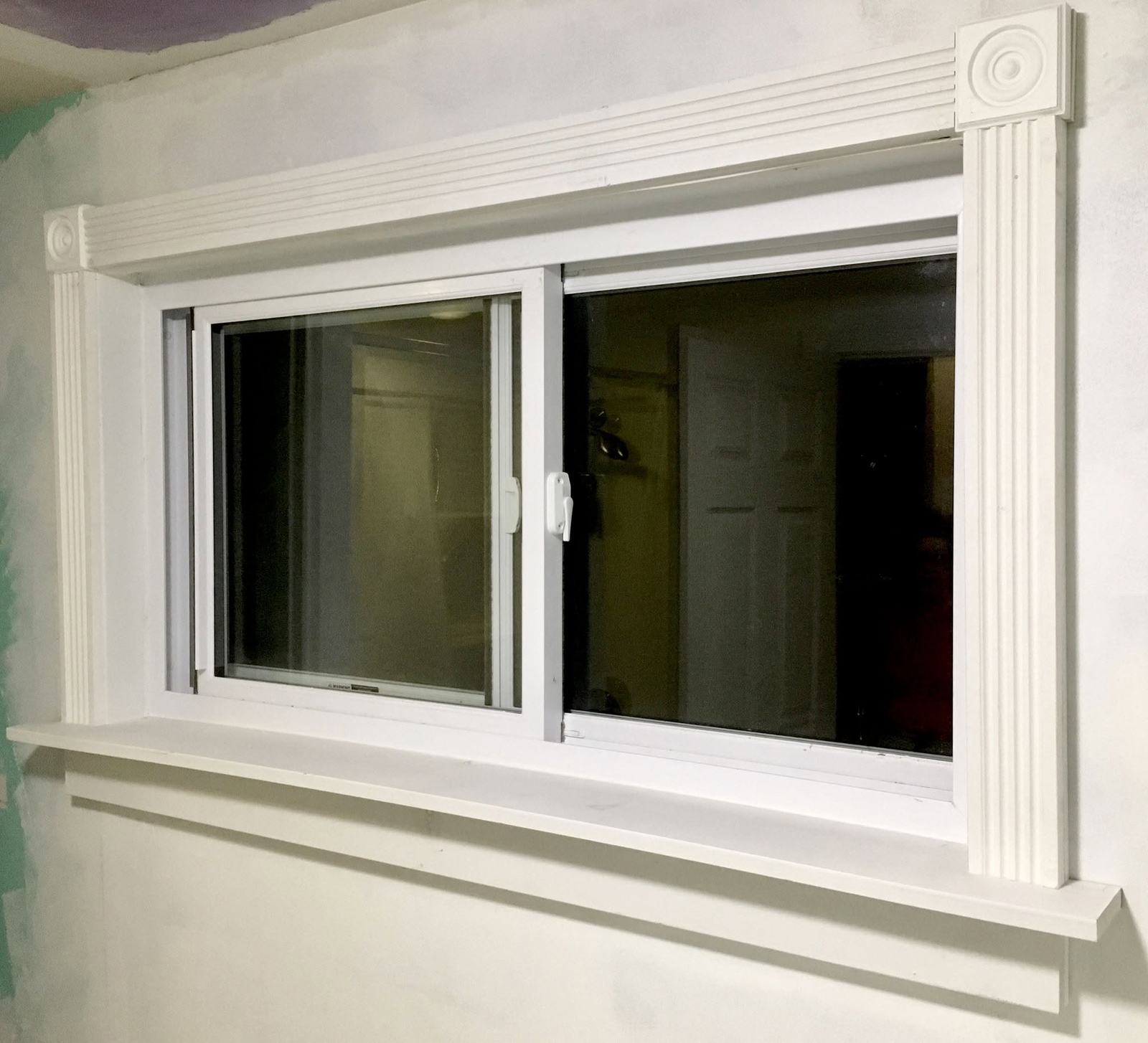
Water sits on trim. A window sill faces the sky and holds rain and melting snow. Corner boards, casings and fascia are full of joints and end grain, and end grain drinks water like a bundle of straws. Porch rails and balusters are out in the weather on every side. Clapboards are vertical and lapped so water runs off.
Sun is the other half. The south and west walls take the most ultraviolet light and the biggest swing between a cold morning and a hot afternoon, and that breaks down the paint film and opens up joints. It's normal to walk around a house and find the north trim in decent shape while the south sills are peeling.
Here in Saratoga Springs, freeze-thaw makes every little crack worse. Water gets into a hairline gap in a sill, freezes, expands, and pushes the paint off the wood from behind.
How to tell it's due
Pick a sunny day and walk the house slowly, starting on the south and west sides. Look for fine cracks across the paint, sometimes in a pattern like alligator skin. Look for peeling at the bottoms of casings, along sills and at joints. Rub the paint with a dark rag. A heavy white smear is chalking, which means the paint film is breaking down.
Check the joints where casings meet sills and where boards butt together. Old caulk shrinks and lets go, and the gap behind it lets water straight into the end grain. Any bare or gray wood needs primer and paint before winter.
Then push a screwdriver into the sills and the bottom ends of the casings and corner boards. If it sinks in, there's rot, and that gets fixed before anybody opens a can of paint. Our guide to window sill rot repair covers when a sill can be repaired and when it has to be replaced.
Why paint fails in two years instead of seven
Early peeling almost always comes down to one of a few things.
Water from behind is the big one. Gutters that overflow, a missing drip edge, or a damp wall push moisture through the wood, and the paint lifts off from the back side. Our post on soffit and fascia repair covers the gutter end of it.
Bad prep is next. Paint over loose paint, dirt or mildew and it comes off along with whatever was under it.
Then there's latex over oil. Plenty of old houses have oil paint on the trim, and latex brushed straight over it without the right primer tends to peel off in sheets.
On a really old house, the paint itself can be the problem. A hundred years of coats builds up so thick it gets stiff, cracks, and lets go. At some point those areas have to come down to bare wood.
And weather on painting day. Paint put on when it's too cold, too humid, or right before rain doesn't cure. Go by the minimum temperature on the label, and that includes the overnight low.
A rough schedule
Your house will vary with its exposure and its gutters.
| Trim location | Typical interval | Notes |
|---|---|---|
| Window sills | 3 to 5 years | Horizontal and sun-exposed; check every year |
| Porch rails and balusters | 3 to 5 years | Exposed on all sides; see porch railing repair |
| South and west casings and corner boards | 5 to 7 years | Sun breaks paint down faster |
| North and east trim | 7 to 10 years | Watch for mildew instead of sun damage |
| Fascia and soffit | 5 to 10 years | Shorter if gutters overflow |
Touch up the worst spots between full repaints, sills especially, and the whole cycle stretches out. Put it on the list in our home maintenance schedule for upstate NY.
Doing it right on an old house
A trim paint job that lasts is mostly prep. We wash, scrape off loose paint, sand the edges smooth, fix or replace rotted wood, prime all bare wood, caulk the joints that should be sealed, and finish with two coats of a quality exterior paint. Some joints are meant to drain, like the bottom edges of clapboards, and those stay open. Caulk them shut and you trap water behind the siding.
Lead paint
In a house built before 1978, assume the old trim paint has lead in it until a test says it doesn't. Scraping and sanding lead paint throws off hazardous dust and chips, and they're especially dangerous to children and pregnant women. Test before you disturb it. Federal rules set specific practices for contractors working on lead paint in older homes, so ask anyone you hire how they'll contain the dust and clean up. The EPA's lead renovation page explains the basics for homeowners.
The historic districts
Saratoga Springs has several historic districts, and exterior changes there can need Design Review Commission approval. Repainting in the same colors is often treated differently from changing materials, putting up trim with a different profile, or swapping wood for PVC. If you're in a district and planning more than a repaint, check with the city first.
Patch the wood or replace it
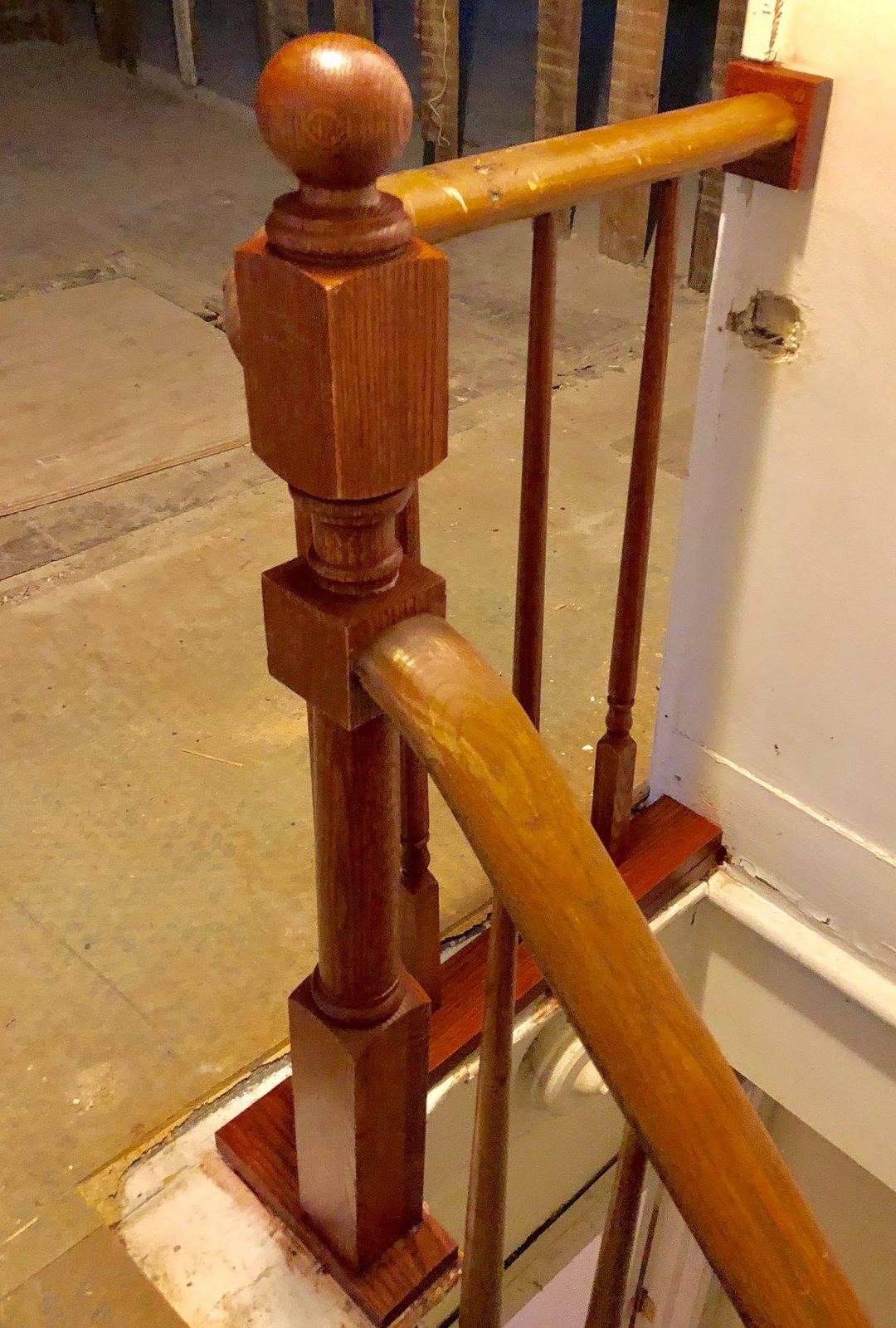
A short section of rot can often be cut out and patched with a matching piece of wood, called a dutchman, or dug out and rebuilt with epoxy consolidant and filler. When rot runs the length of the board, replace the board. Decorative trim is its own case. Brackets, moldings and scroll-cut balusters like the porch balusters shown on our site often aren't made anymore, and matching the original profile keeps the house looking like itself. Our guide to old house restoration in Saratoga Springs goes further into that work.
Frequently asked questions
Can exterior trim be painted in the fall?
Yes, as long as it's above the label's minimum temperature while you paint and overnight, and the wood is dry. Some exterior paints are made for cooler weather. Around here, early fall is the safer bet. By late October the short days, heavy dew and cold nights cut the drying time hard.
Should I replace wood trim with PVC so I never have to paint?
PVC and composite trim won't rot and don't need paint to survive, though a lot of people paint them to match. On a newer house it's a practical choice. On an older or historic house we'd keep sound original wood and maintain it, because the profile and the look of the trim are part of the house, and district rules may limit the change anyway.
Should I touch up now or wait for a full repaint?
Touch up now. Bare wood takes on water every time it rains, and waiting for the full job often means paying for wood repair a small touch-up would have prevented.
We fix and replace exterior trim, sills, porch parts and decorative woodwork on older houses in Saratoga Springs and the towns nearby, and we match the old profiles where it counts. Some of that work is on our restoration and built-ins page.